Aligning Recurring Payments with Protection Standards Across Mobile Platforms in Niche Retail Sectors
Written by Devon Braun · Jul 23, 2026
Aligning Recurring Payments with Protection Standards Across Mobile Platforms in Niche Retail Sectors
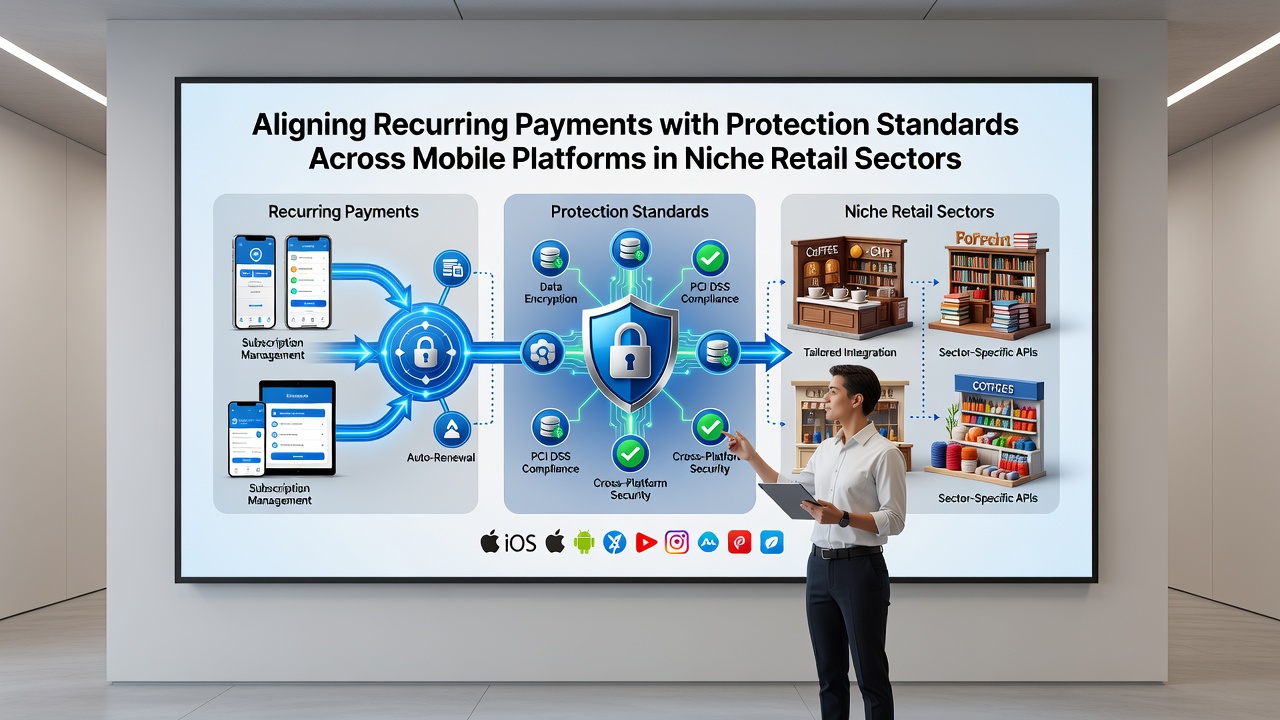
Retailers operating in specialized markets such as organic skincare, handcrafted tools, and regional food products have expanded their mobile sales channels over the past several years, and recurring payment systems now form a core part of many business models. These arrangements allow customers to receive regular shipments while merchants secure predictable revenue, yet the integration of such systems must satisfy multiple layers of security requirements that differ between iOS and Android ecosystems. Observers note that niche operators often manage smaller transaction volumes than mass-market retailers, which creates both opportunities and constraints when mapping payment flows to current protection frameworks.
Mobile Platform Differences in Handling Recurring Transactions
Apple Pay and Google Pay each maintain distinct protocols for storing payment credentials and authorizing repeat charges, and developers working with niche retailers must account for these variations during app updates. On iOS devices the system routes recurring requests through Apple’s billing interface in many cases, whereas Android implementations frequently permit direct integration with third-party processors that still require compliance checks at each renewal cycle. Data from industry reports shows that misalignment between these approaches can lead to authorization failures that disrupt supply schedules for time-sensitive goods like perishable specialty items.
Protection standards such as PCI DSS version 4.0 and regional privacy regulations impose specific controls on how cardholder data travels between mobile apps and backend servers. Niche retailers that sell products with limited shelf life must synchronize inventory updates with payment confirmations in near real time, and any delay introduced by additional verification steps can affect both customer satisfaction and regulatory standing. Researchers at several universities have documented cases where platform-specific tokenization methods reduced exposure of primary account numbers yet required custom middleware to maintain consistent audit trails across operating systems.
Compliance Requirements in Specialized Retail Categories
Merchants dealing in restricted or high-value categories, including certain wellness supplements and collectible equipment, face additional scrutiny under data-protection rules that vary by jurisdiction. In July 2026 several updates to cross-border data transfer guidelines are scheduled to take effect in multiple regions, prompting developers to review how recurring billing records are stored and transmitted from mobile endpoints. Those adjustments include stricter consent mechanisms that must be presented to users before each new subscription cycle begins on handheld devices.
Payment processors serving these sectors typically implement layered encryption that begins at the point of card entry on the mobile screen and continues through settlement with acquiring banks. Studies conducted by academic teams in North America and Europe indicate that the use of dynamic security codes generated at the device level has lowered certain categories of unauthorized repeat charges, although implementation costs remain a consideration for smaller operators. Niche retailers therefore evaluate processor options that bundle compliance reporting tools directly into their mobile dashboards.
Integration Patterns Observed Across Operating Systems
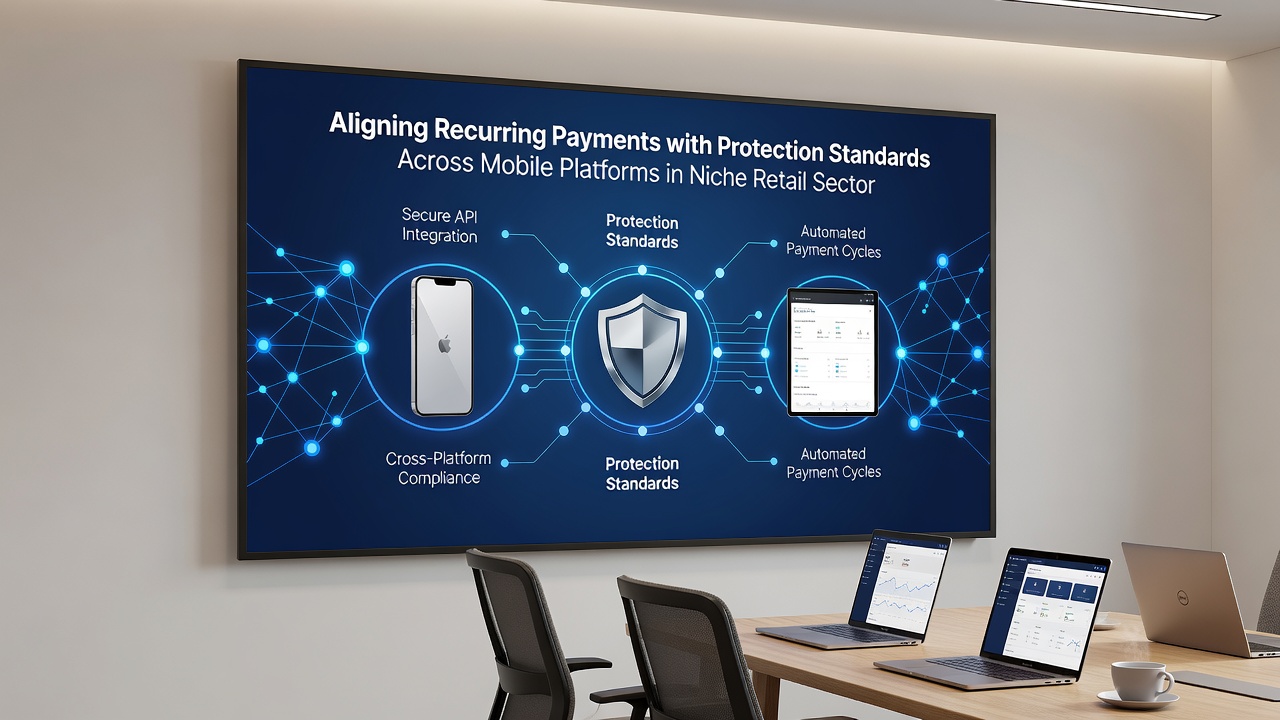
Developers frequently discover that a single codebase cannot address every platform-specific requirement without conditional branches that isolate iOS and Android payment flows. For example, Android apps may leverage Google’s Play Billing Library for subscription management while iOS versions route similar transactions through Apple’s StoreKit framework, each of which carries its own reporting obligations to maintain PCI and privacy alignment. The result is often parallel development tracks that share core business logic yet diverge at the payment layer.
According to guidance issued by the Office of the Privacy Commissioner of Canada, organizations must document how personal information linked to recurring charges is protected during transmission and at rest on mobile devices. Similar expectations appear in European regulatory documents that emphasize accountability for data processors handling subscription records. Niche retailers that operate across both regions therefore maintain separate compliance matrices that map each platform’s data-handling practices against applicable rules.
Operational Adjustments for Peak Periods
Seasonal surges in demand for niche products, such as holiday gift subscriptions or limited-edition releases, place additional pressure on mobile payment systems to process renewals without interruption. Systems that automatically reconcile payment authorizations with inventory levels have demonstrated the ability to reduce stockouts, yet they require continuous monitoring to ensure that security tokens remain valid across platform updates. Figures released by the Australian Retailers Association highlight that retailers using synchronized mobile and backend systems experienced fewer failed renewals during high-volume periods compared with those relying on manual reconciliation.
Token rotation schedules and certificate management procedures form part of the routine maintenance that aligns recurring payments with protection standards. When mobile operating system vendors release security patches, niche retailers must verify that their payment integrations continue to meet the latest PCI requirements without introducing latency into the authorization sequence. Those who have implemented automated testing suites report shorter validation cycles after each platform update.
Conclusion
The alignment of recurring payment mechanisms with protection standards on mobile platforms continues to evolve as niche retailers adopt subscription models for specialized products. Platform-specific requirements, regional regulations, and operational demands during peak sales windows collectively shape the technical choices available to merchants. Ongoing monitoring of scheduled regulatory changes, including those planned for July 2026, enables operators to adjust their systems before new obligations take effect. Continued collaboration between payment processors, platform providers, and retail technology vendors supports the maintenance of secure recurring billing flows that meet established standards across diverse mobile environments.