28 Jun 2026
Analyzing Synchronization Patterns Between Validation Routines and Periodic Charge Mechanisms Across Expanding Digital Storefronts
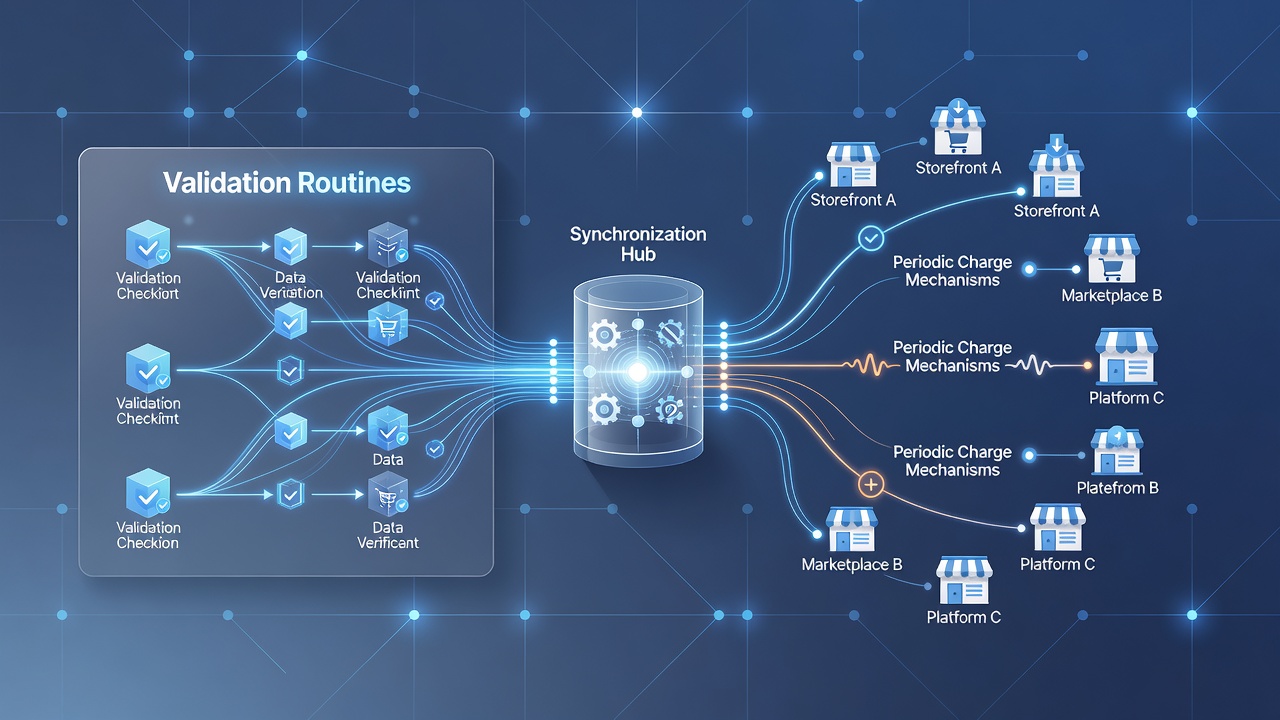
Digital storefronts continue to scale rapidly, and synchronization between validation routines and periodic charge mechanisms has become a core operational requirement. Validation routines handle identity confirmation, fraud screening, and compliance checks, while periodic charge mechanisms manage recurring billing cycles, subscription renewals, and automated deductions. Observers note that these two systems must align precisely to prevent failed transactions, delayed revenue recognition, or customer disputes, especially as storefronts add new payment channels and geographic markets.
Core Components of Validation Routines
Validation routines operate at multiple layers within a transaction flow. They begin with basic credential verification, then move through risk scoring models that evaluate device fingerprints, behavioral signals, and historical account activity. Researchers at institutions such as the Federal Reserve have documented how these layers interact with external databases to flag inconsistencies before a charge attempt proceeds. When storefronts expand, the volume of validation events increases, which places additional demands on processing latency and data consistency across distributed systems.
Mechanics of Periodic Charge Mechanisms
Periodic charge mechanisms rely on stored payment credentials and predefined schedules to execute deductions at regular intervals. These systems incorporate retry logic, dunning sequences, and proration rules that adjust for partial periods or plan changes. Data from industry reports shows that successful synchronization requires the charge engine to receive real-time status updates from validation routines, because an account flagged for review mid-cycle can trigger immediate holds or rerouting to alternative payment methods.
Patterns of Synchronization Across Growing Platforms
Analysts have identified several recurring patterns in how validation and charging systems coordinate. One common pattern involves event-driven triggers, where a successful validation event immediately updates the charge schedule repository. Another pattern uses batch reconciliation windows that compare validation logs against executed charges at fixed intervals, often hourly or daily. As storefronts grow, these patterns must accommodate higher concurrency and multi-region data replication, which introduces timing variances that can desynchronize the two systems.
Impact of Expansion on Timing and Data Integrity
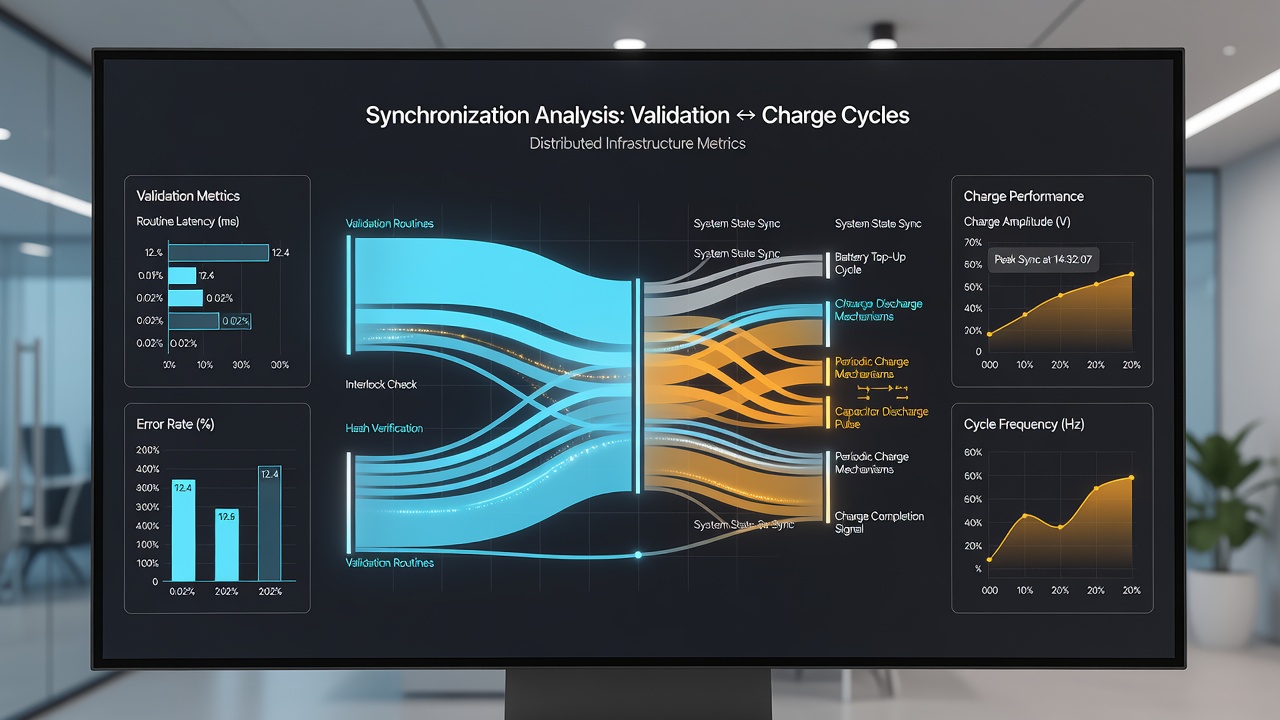
Expansion into new markets adds variables such as local regulatory requirements, currency conversion rules, and time-zone differences. These factors affect both validation latency and charge execution windows. Studies compiled through June 2026 indicate that platforms operating across more than five jurisdictions experience a measurable increase in synchronization mismatches during peak renewal periods. The mismatches typically surface when validation results from one region arrive after the charge engine has already initiated processing based on cached data.
Technical Approaches to Maintaining Alignment
Engineers address these issues through several established techniques. Event sourcing architectures record every validation state change as an immutable log entry that downstream charge services can replay. Distributed locking mechanisms prevent simultaneous updates to the same customer record during high-volume renewal batches. Observers have also noted increased adoption of message queues with exactly-once delivery guarantees, which reduce the chance that a validation failure message arrives after a charge has already been attempted.
Monitoring and Adjustment Practices
Continuous monitoring plays a central role in identifying drift between the two systems. Metrics such as validation-to-charge latency, retry success rates, and mismatch frequency provide early indicators of emerging problems. Teams often implement automated alerts that trigger when latency exceeds thresholds derived from historical baselines. According to reports from the Bank of Canada, organizations that correlate these metrics with customer retention data achieve faster isolation of root causes when synchronization issues arise.
Future Considerations for Scaling Operations
As digital storefronts continue to incorporate new payment instruments and subscription models, the complexity of synchronization will grow. Machine learning models that predict validation outcomes based on partial signals are being tested in production environments to shorten decision windows. Meanwhile, regulatory frameworks in multiple regions are evolving to require more granular audit trails linking validation events directly to executed charges, which adds another layer of data that must remain synchronized.
Conclusion
The analysis of synchronization patterns reveals that validation routines and periodic charge mechanisms function as interdependent components within expanding digital storefronts. Effective coordination depends on precise timing, consistent data propagation, and adaptive monitoring practices that scale with transaction volume and geographic reach. Platforms that maintain these alignments reduce operational friction and support reliable revenue cycles across diverse markets.