17 May 2026
Charting Encryption Pathways That Link Merchant Account Setups With Inventory Sync Tools During Peak Sales Windows
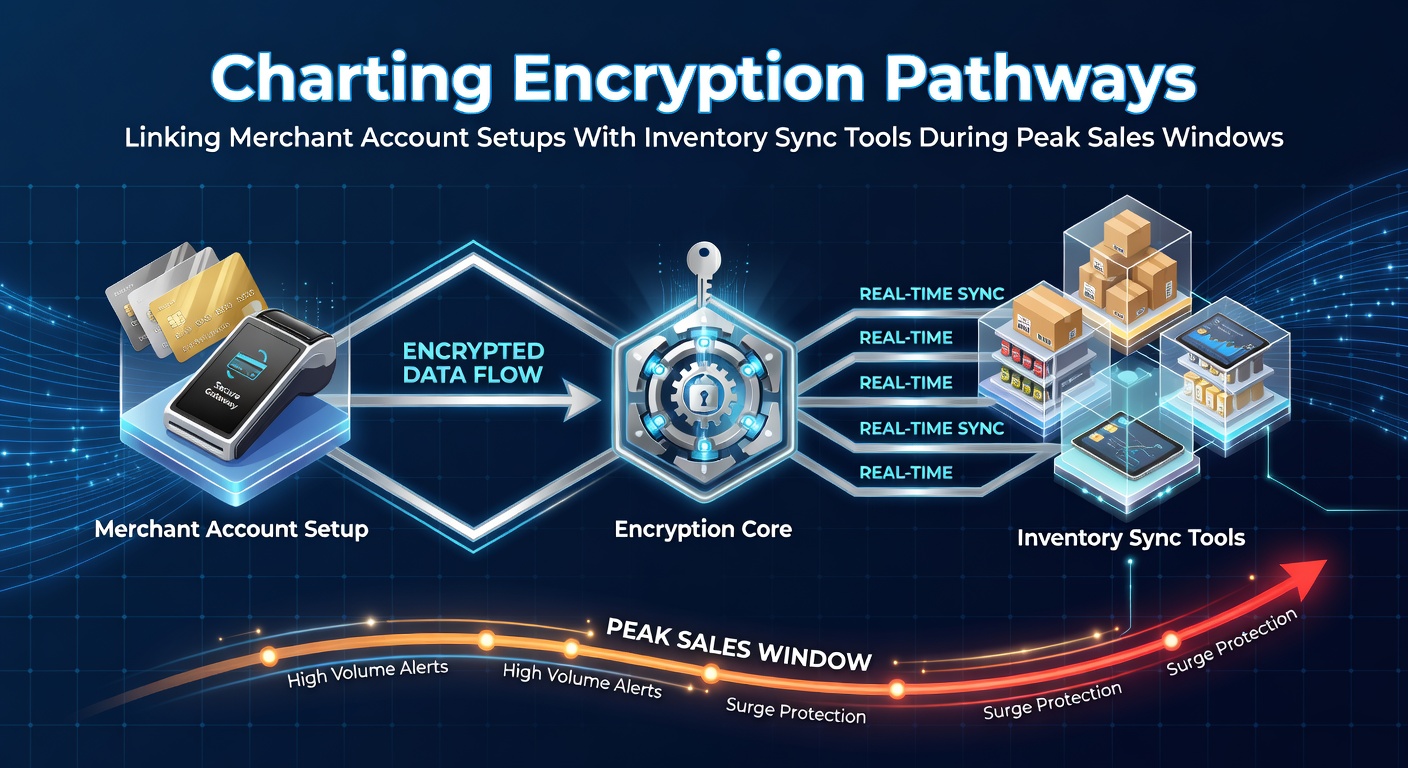
Businesses rely on secure connections between merchant account setups and inventory sync tools to maintain accurate stock levels and process payments without interruption, especially when sales volumes surge during peak windows. Encryption serves as the backbone that protects transaction data and inventory updates as they travel between these systems, preventing unauthorized access while supporting real-time operations. Data indicates that e-commerce platforms handling thousands of orders per minute during high-demand periods must route information through encrypted channels to avoid exposure of sensitive payment details and stock quantities.
Core Components of Merchant Account Setups
Merchant account setups establish the financial gateway that authorizes credit card transactions and settles funds into business bank accounts, and these setups integrate directly with backend systems through encrypted APIs. Observers note that protocols such as TLS 1.3 encrypt data in transit between the payment processor and the merchant's server, while AES-256 standards protect stored customer information at rest. Researchers discovered that without these layered protections, peak traffic creates vulnerabilities where intercepted packets could reveal card numbers alongside order quantities pulled from inventory databases.
Inventory Sync Tools and Real-Time Data Exchange
Inventory sync tools pull live stock counts from warehouses and update e-commerce platforms so that overselling does not occur, and this exchange requires constant communication with merchant account systems to confirm payments before deducting items. Experts have observed that during periods of elevated demand, sync intervals shorten from hourly to every few seconds, forcing encryption pathways to handle increased packet loads without latency spikes. According to reports from the National Institute of Standards and Technology, cryptographic key rotation schedules become critical when sync frequency rises because static keys increase the window for potential decryption attempts.
Mapping the Encryption Pathways
Data flows begin at the point of sale where a customer submits payment information, then travel through an encrypted tunnel to the merchant account processor before confirmation returns to trigger an inventory deduction command. What's interesting is how end-to-end encryption wraps both the authorization token and the stock adjustment request inside the same session, ensuring that a breach at one node does not expose the entire chain. Studies found that organizations using hybrid encryption models, combining asymmetric keys for initial handshakes with symmetric keys for bulk data, maintain higher throughput during peak sales windows without sacrificing security standards.
Pathway architecture often incorporates hardware security modules that store private keys separately from application servers, and this separation limits exposure if a web server faces a distributed denial-of-service attack common in high-traffic seasons. Those who've studied these integrations know that API gateways enforce mutual TLS authentication so both the merchant account and inventory sync endpoints verify each other's certificates before exchanging data packets.
Handling Peak Sales Windows in May 2026
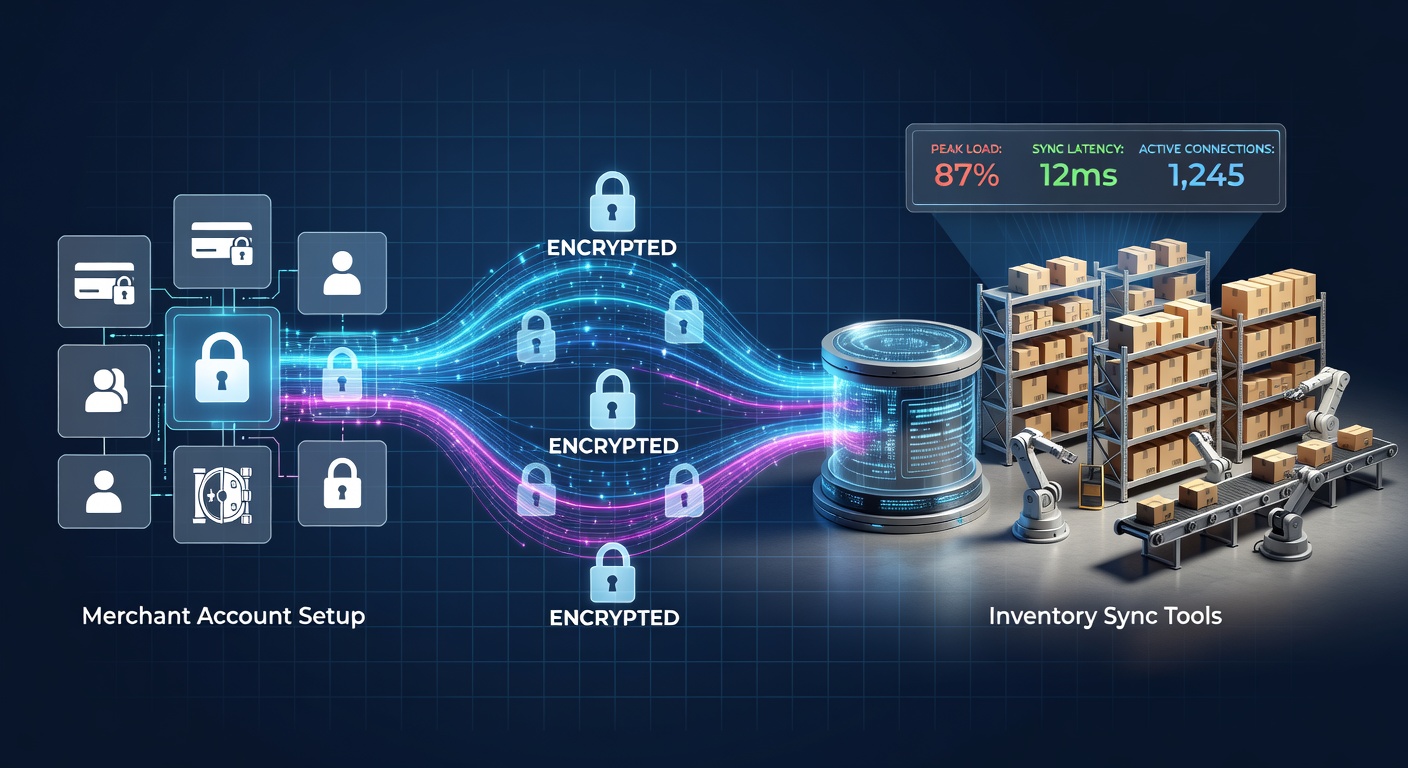
Peak sales windows in May 2026 align with post-spring promotional campaigns and early summer inventory clearances, periods when order volumes can triple compared with baseline months. Encryption pathways must scale elastically to accommodate simultaneous payment authorizations and stock updates across multiple fulfillment centers. Figures from industry analyses reveal that systems without dynamic key management experience connection drops when traffic exceeds 10,000 transactions per minute, directly affecting inventory accuracy and customer experience.
But here's the thing: businesses that pre-provision additional encrypted channels ahead of these windows report fewer synchronization failures, because load balancers distribute traffic across redundant pathways that each maintain independent session keys. Researchers at various academic institutions have documented that predictive scaling algorithms, combined with automated certificate renewal, reduce the risk of expired keys interrupting real-time inventory sync during these concentrated sales surges.
Security Standards and Compliance Requirements
Compliance frameworks mandate specific encryption strengths for any system touching payment card data, and inventory sync tools fall under the same umbrella once they receive order details that include financial references. The European Union Agency for Cybersecurity publishes guidelines that recommend regular audits of encryption implementations to verify that merchant account integrations continue to meet updated cipher suite requirements. Observers note that failure to rotate encryption certificates on schedule can result in blocked connections precisely when peak demand requires uninterrupted data flow.
Turn to practical examples where retailers implemented segmented networks that isolate payment processing from inventory databases, using encrypted virtual private clouds to bridge the two environments. This architecture allows inventory sync tools to receive only order quantities and SKUs while payment authorization tokens remain within the merchant account perimeter, thereby shrinking the attack surface during high-volume periods.
Conclusion
Encryption pathways that connect merchant account setups with inventory sync tools form an essential infrastructure layer that supports uninterrupted commerce during peak sales windows. Organizations that adopt current cryptographic standards, maintain flexible key management, and test pathway resilience ahead of anticipated demand spikes position their systems to process both payments and stock updates securely. Continued attention to these technical linkages helps ensure that rising transaction volumes do not compromise data integrity or operational continuity.