Clearing House Dynamics in Digital Marketplace Payouts
Written by Uma Vogel · Jul 21, 2026
Clearing House Dynamics in Digital Marketplace Payouts
Digital marketplaces rely on intricate payment flows that move funds from buyers through various intermediaries before reaching sellers, and clearing houses sit at the center of these settlement processes; they reconcile transactions, manage net positions between financial institutions, and ensure that money reaches the right accounts according to agreed timelines. Observers note that these entities handle billions in daily volume across platforms that connect independent vendors with global customers, while data from payment networks shows consistent growth in marketplace transactions through 2025 and into the following year.
Core Functions in Transaction Settlement
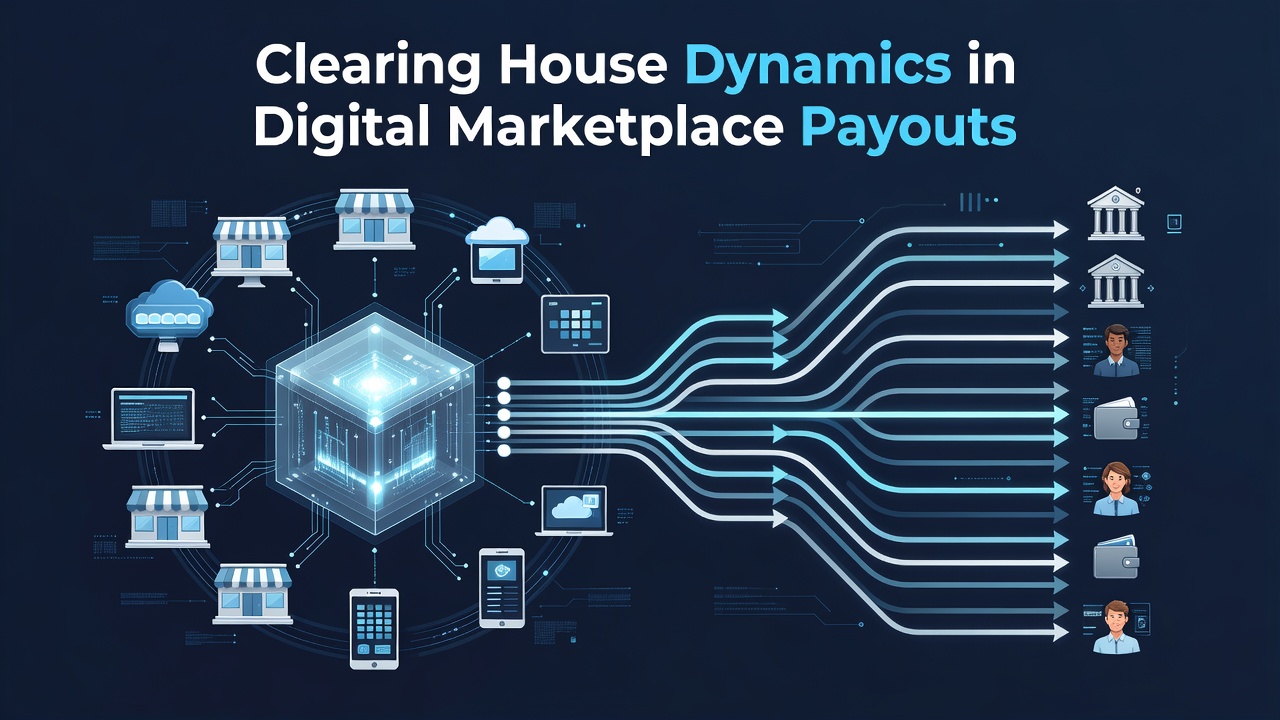
Clearing houses act as neutral third parties that collect payment instructions from acquiring banks tied to marketplaces, match them against issuing bank records, and calculate net obligations before final settlement occurs; this netting process reduces the total cash that must transfer between institutions each day. Researchers at institutions tracking payment systems have documented how a single large marketplace might generate thousands of individual sales that consolidate into a handful of net transfers, which speeds up operations and lowers operational costs for everyone involved. In practice, the sequence begins when a buyer completes a purchase, the marketplace processor submits details to the clearing house, and participating banks receive updated position reports that reflect debits and credits.
Settlement Timelines and Fund Movement
Most digital marketplace payouts follow a T+1 or T+2 cycle where transactions initiated on one business day clear and settle by the next or the day after, although some high-volume platforms negotiate same-day arrangements during peak periods; these schedules depend on the clearing house's operating rules and the banking partners connected to each marketplace. Figures from central banking authorities indicate that electronic settlement volumes have risen steadily, with marketplaces accounting for a growing share of overall non-cash payments processed through automated clearing systems. When a seller requests a payout, the marketplace initiates a transfer that routes through the clearing house, which verifies available funds, applies any holds for pending returns, and releases net amounts to the seller's designated bank account.
What's interesting is how marketplaces integrate these clearing mechanisms with their internal accounting tools, so vendors receive consolidated reports that detail gross sales, fees, and final disbursements without needing to track every individual buyer transaction themselves.
Role of Clearing Houses Across Major Platforms
Marketplaces such as those focused on handmade goods, digital downloads, or service bookings each maintain relationships with processors that interface directly with clearing houses; the specific house used often depends on the geographic region of the transaction and the currency involved. According to reports issued by the Federal Reserve on retail payment systems, clearing organizations handle both domestic and cross-border flows, applying currency conversion where needed before final crediting occurs. European marketplaces frequently route through systems overseen by the European Central Bank, which coordinates with national central banks to maintain consistent settlement standards across member states.

One study revealed that clearing houses also manage exception handling, including adjustments when a buyer disputes a charge or when technical errors occur during initial authorization; these cases trigger reversal entries that propagate back through the same network until the original positions are corrected. Observers note that July 2026 marks the scheduled implementation of updated messaging standards across several major clearing networks, which will require marketplaces to adopt enhanced data fields for payout instructions.
Interoperability and Risk Management Layers
Clearing houses maintain connections to multiple payment rails, allowing marketplaces to offer buyers various tender types while ensuring sellers receive funds regardless of the original payment method; this interoperability depends on standardized file formats and daily reconciliation cycles that flag discrepancies before settlement finalizes. Data indicates that reconciliation accuracy rates exceed 99 percent in most automated systems, yet manual reviews still occur for high-value or unusual transactions. Those who manage marketplace finance operations often coordinate with clearing partners to set reserve requirements that protect against temporary shortfalls during high-volume sales events.
Turns out that liquidity management forms another key responsibility, because clearing houses must ensure sufficient funds sit in participant accounts to cover net debits before payout instructions execute; failure to maintain these balances can delay disbursements to sellers across an entire marketplace. Academic analyses of payment infrastructure highlight how marketplaces in regions like Australia and Canada have adopted real-time clearing capabilities that shorten the window between sale and seller receipt, reducing working capital pressures on vendors who rely on frequent payouts.
Regulatory Oversight and Reporting Requirements
Government agencies in multiple jurisdictions impose reporting obligations on clearing houses that serve digital marketplaces, requiring daily transaction logs, periodic audits, and disclosure of operational metrics that demonstrate compliance with settlement finality rules. These frameworks help maintain stability in the broader financial system while allowing marketplaces to scale their seller bases without creating systemic bottlenecks. Industry reports from research bodies such as the Bank for International Settlements track how clearing volumes correlate with overall e-commerce growth, providing benchmarks that operators use when negotiating service agreements.
And yet operational resilience remains a constant focus, because clearing houses must maintain backup systems capable of processing full daily volumes if primary facilities experience disruption; marketplaces incorporate these contingencies into their payout planning so vendors experience minimal interruption.
Conclusion
Clearing house dynamics continue to shape how digital marketplaces distribute earnings to their seller communities, with settlement mechanics, regulatory compliance, and cross-border coordination all playing interconnected roles in the overall process. As platforms expand their geographic reach and transaction volumes increase, the underlying clearing infrastructure adapts through updated standards and expanded connectivity, supporting reliable fund movement from buyer to seller across diverse market conditions.