28 May 2026
Decoding Authorization Timelines for Device-Enabled Cycle Automation in Retail Operations
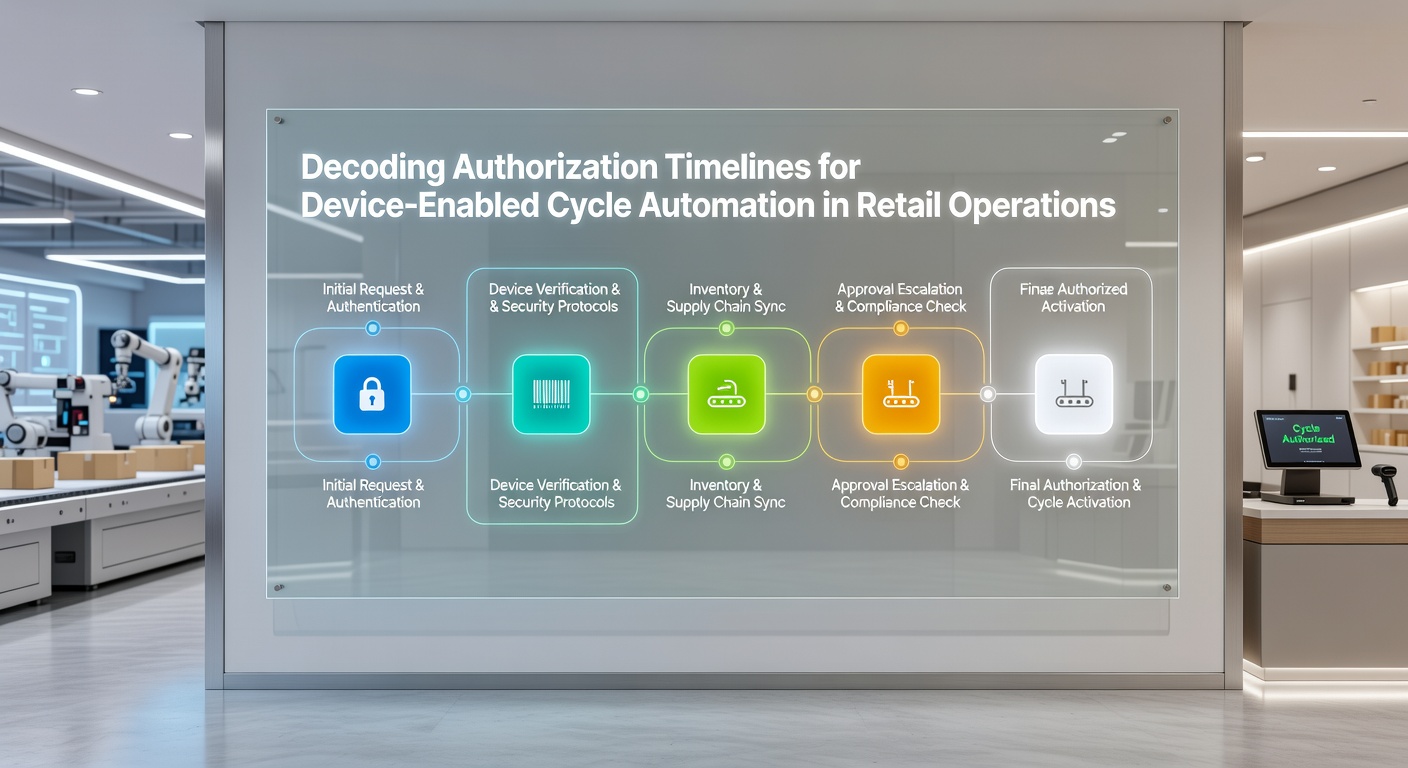
Retail operations rely on device-enabled systems that manage recurring cycles such as inventory replenishment, shelf monitoring, and order fulfillment, while authorization timelines determine how quickly these automated processes receive approval to proceed. Devices including RFID readers, IoT sensors, and automated guided vehicles collect data in real time, then trigger requests that move through verification stages before execution begins. Observers note that these timelines vary based on system architecture, data volume, and integration points across supply networks.
Core Elements of Device-Enabled Automation
Device networks operate through continuous data streams that feed into centralized platforms, where algorithms assess stock levels and predict demand patterns before initiating cycle steps. Authorization occurs at multiple layers, starting with local device validation and extending to enterprise-level reviews when thresholds are exceeded. Researchers from industry reports indicate that average authorization windows range from seconds for routine tasks to several minutes when cross-departmental approvals are required, with data showing that high-volume periods extend these intervals due to queue buildup.
Integration between point-of-sale terminals and warehouse management software creates feedback loops that adjust cycle frequency automatically, yet each adjustment still passes through security and compliance checks. Studies conducted across North American retail chains reveal that standardized protocols reduce average authorization delays by up to 35 percent compared with legacy systems, because consistent data formats allow faster parsing at each checkpoint.
Factors Influencing Timeline Lengths
Network latency, data encryption overhead, and concurrent transaction loads directly affect how long authorization takes in device-driven environments. When multiple sensors report simultaneous updates during peak restocking hours, the system routes requests sequentially, which lengthens overall cycle completion times. Figures from the European Retail Technology Council demonstrate that cloud-based authorization services cut median processing times to under 800 milliseconds in controlled tests, whereas on-premise solutions averaged closer to two seconds under similar conditions.
Seasonal fluctuations introduce additional variables, since holiday inventory surges increase both the number of automated requests and the complexity of verification rules. In May 2026, updated data-sharing requirements from regulatory bodies in several regions will mandate enhanced logging of authorization events, which observers expect will add minor overhead to existing timelines unless systems receive preemptive upgrades.
Implementation Patterns Across Retail Segments
Grocery chains often deploy handheld scanners linked to automated ordering cycles that restock perishables based on real-time sales velocity, and authorization here focuses on supplier credit limits plus delivery slot availability. One documented deployment at a Canadian supermarket group showed that shortening authorization steps from four layers to two reduced full cycle times from 47 minutes to 29 minutes on average during weekday operations.
Apparel retailers use RFID-tagged garments and overhead readers to automate cycle counts and reorder decisions, with authorization centered on color-size matrix validations before purchase orders generate. Data collected by the Australian Retailers Association indicates that stores adopting these setups experienced authorization approval rates above 92 percent within the first 90 seconds of request submission, largely because rule engines handled exceptions without human intervention in most cases.
Measurement and Optimization Approaches
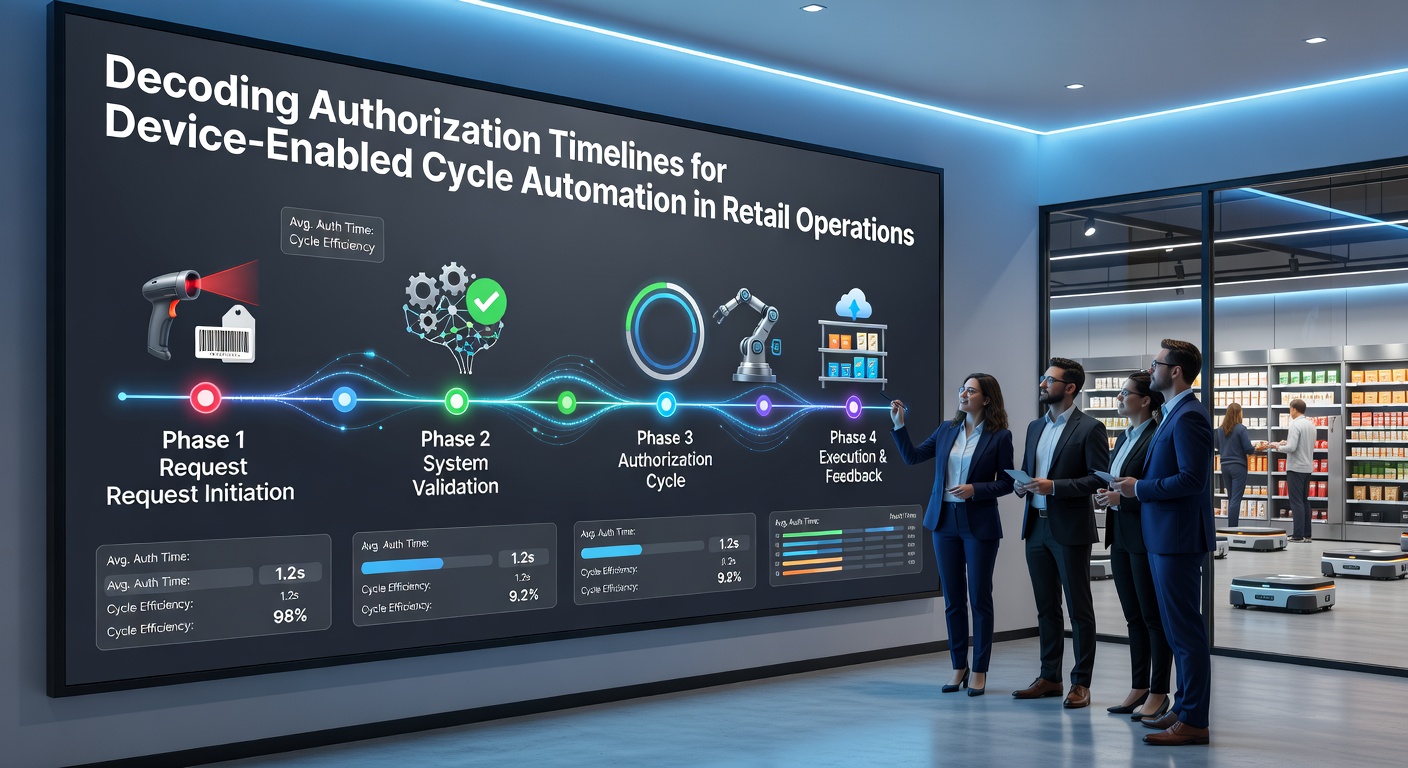
Retail technology teams track authorization timelines through timestamped logs that capture each stage from device trigger to final execution command. These logs feed dashboards that highlight bottlenecks, such as delays at compliance modules or during peak database queries. Teams then apply targeted adjustments, including parallel processing queues or cached reference data, to compress the longest segments without altering security standards.
Third-party benchmarking services compile anonymized data from participating chains, allowing comparisons across similar store formats and geographic markets. Reports compiled in early 2025 showed that organizations investing in edge computing nodes for local authorization decisions achieved consistent sub-second responses even during high-traffic events, whereas centralized models continued to show variability tied to wide-area network performance.
Regulatory Context and Future Adjustments
Emerging standards emphasize auditability of automated decisions, which means authorization records must include device identifiers, data sources, and decision criteria for each cycle step. Compliance frameworks scheduled for rollout in multiple jurisdictions will require these records to remain accessible for extended periods, prompting some operators to expand storage allocations and indexing capabilities ahead of deadlines. The shift toward more granular logging is expected to influence timeline calculations, particularly when requests involve cross-border data transfers that trigger additional verification layers.
Conclusion
Authorization timelines form a measurable component of device-enabled cycle automation in retail, shaped by technical architecture, operational volume, and evolving compliance demands. Organizations that map these timelines through systematic logging and benchmarking gain clearer visibility into cycle performance across different store formats and market conditions. As device networks expand and regulatory expectations tighten, the ability to maintain predictable authorization windows will continue to support efficient retail operations without compromising verification standards.