Decrypting authorization echoes from wireless card readers to supplier restock algorithms during seasonal vendor surges
Written by Devon Braun · Aug 20, 2026
Decrypting authorization echoes from wireless card readers to supplier restock algorithms during seasonal vendor surges
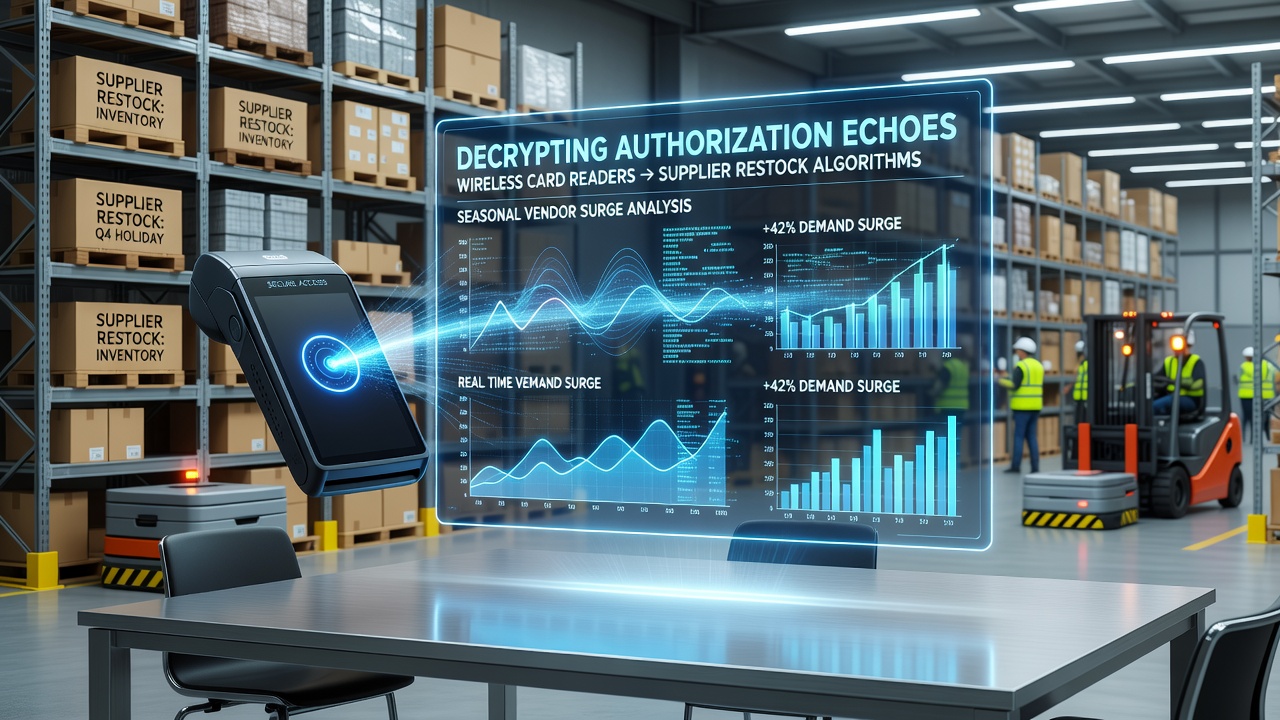
Wireless card readers capture transaction details at the point of sale and transmit encrypted authorization requests through payment networks to issuing banks for approval. Those approvals generate response codes that travel back along the same channels, creating data echoes that retail systems interpret as signals for inventory movement. During seasonal vendor surges, such as the back-to-school rush or pre-holiday stocking periods, these echoes accelerate restock decisions by feeding directly into supplier algorithms that monitor sales velocity in real time.
Signal Capture at the Reader Level
Portable terminals equipped with NFC and EMV chip readers collect cardholder data, transaction amounts, and merchant identifiers in milliseconds. The devices encrypt this information using standards set by payment card networks before sending it over cellular or Wi-Fi connections. Observers note that each successful authorization produces a unique echo containing approval codes, timestamps, and partial account references that downstream software can parse without exposing full card numbers.
Research from the Federal Reserve shows that wireless transactions accounted for over 68 percent of in-store payments in North American markets by mid-2025, with volume spikes occurring each August as schools reopen and retailers ramp up stock. These spikes create denser data streams that algorithms must process faster to avoid stockouts.
Pathways from Authorization to Inventory Logic
Once banks return authorization responses, gateway processors route the echoes through APIs that connect point-of-sale platforms to enterprise resource planning tools. Retailers configure these interfaces so that approved sales above certain thresholds automatically adjust reorder points in supplier databases. The process relies on standardized message formats that allow different hardware brands to communicate with the same inventory engines without custom coding for each seasonal event.
Take one mid-sized electronics chain that integrated its wireless readers with cloud-based restock software in 2024. When August sales of laptops exceeded daily forecasts, the authorization echoes triggered supplier notifications within 90 seconds, shortening typical lead times by two full days according to internal logs reviewed by industry analysts. Similar patterns appear in grocery operations where perishable goods require tighter synchronization between terminal approvals and warehouse dispatch systems.
Handling Volume Increases in Peak Windows
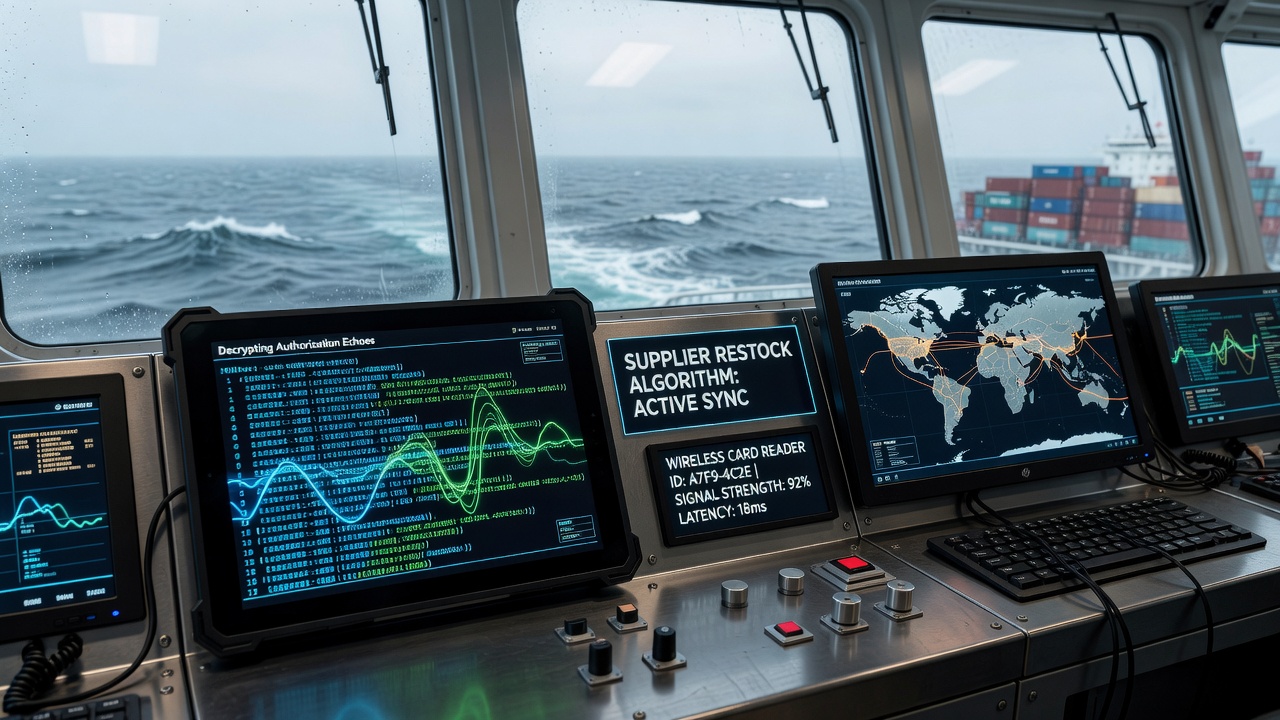
Seasonal vendor surges test the capacity of both payment rails and inventory algorithms simultaneously. Data centers handling transaction routing often see message volumes rise 40 percent or more during the first two weeks of August, based on figures released by European payment processors. Algorithms respond by applying weighted averages to recent authorization patterns, raising restock quantities for high-velocity items while holding back on slower movers to prevent over-ordering.
What's interesting is how these systems distinguish between routine approvals and surge-driven echoes. Retailers apply rule sets that flag clusters of identical SKUs within short timeframes, routing those signals to priority queues that supplier dashboards monitor around the clock. The Australian Competition and Consumer Commission published guidance in 2025 outlining best practices for maintaining data accuracy when payment volumes strain shared infrastructure during such periods.
Security and Compliance Considerations
Encryption protocols protect the echoes as they move between readers, processors, and supplier platforms, yet each hop introduces potential latency that algorithms must accommodate. Tokenization replaces sensitive card data with surrogate values before the information reaches inventory modules, satisfying requirements from bodies such as the European Data Protection Board. Merchants who operate across borders maintain separate rule engines that apply regional standards without interrupting the core restock flow.
One distribution center in Ontario documented a 22 percent reduction in out-of-stock incidents after linking wireless authorization streams to automated supplier feeds ahead of the 2026 summer sales window. The improvement stemmed from tighter timestamp alignment rather than changes in hardware, illustrating how precise echo interpretation influences supply chain responsiveness.
Conclusion
Authorization echoes from wireless card readers serve as reliable inputs for supplier restock algorithms when seasonal demand accelerates transaction rates. The connections rely on established encryption standards, API integrations, and rule-based filtering that allow retailers to maintain stock levels without manual intervention. As August 2026 approaches, systems already tuned for prior surges continue to refine the speed and accuracy of these data pathways across global retail networks.