12 Jul 2026
Encryption's Role in Maintaining Compliance for Recurring Mobile Transactions
Recurring mobile transactions involve automated charges for subscriptions and services that users initiate through smartphones and tablets, and encryption plays a central part in protecting the financial details exchanged during each cycle. These payments occur across various industries where users authorize repeated deductions from their accounts, and the process requires safeguards that align with established security standards to prevent unauthorized access to cardholder information.
Core Elements of Recurring Mobile Payment Systems
Mobile devices transmit sensitive data such as card numbers and expiration dates each time a recurring charge processes, which creates multiple points where interception could occur without proper protection. Encryption converts this information into unreadable formats using algorithms that require specific keys for decryption, and this method applies both when data travels between the device and the payment processor as well as when it rests in storage systems. Observers note that standards like PCI-DSS mandate the use of strong encryption protocols for any organization handling recurring billing, and failure to implement these measures can result in penalties during audits.
Payment gateways integrate encryption modules directly into their software development kits for mobile applications, which allows developers to secure tokenization processes that replace actual card details with unique identifiers. According to the PCI Security Standards Council, these tokens maintain functionality for future transactions while reducing the risk of exposing primary account numbers during automated deductions. Research indicates that organizations adopting end-to-end encryption see fewer instances of data breaches in their recurring billing streams because the original payment credentials never appear in plain text on mobile endpoints.
Compliance Requirements Tied to Encryption Practices
Regulatory frameworks across different regions specify encryption as a baseline for protecting consumer financial data in mobile environments, and this includes directives from bodies such as the European Data Protection Board that enforce rules on personal data handling in digital payments. In July 2026, updates to international guidelines emphasized the adoption of post-quantum encryption methods to address emerging computational threats, which affects how merchants configure their recurring transaction systems for long-term compliance. Those who manage subscription services must document their encryption key management procedures to demonstrate adherence during compliance reviews, and this documentation covers key rotation schedules along with access controls that limit exposure to authorized personnel only.
Canadian regulatory agencies have outlined similar expectations for businesses operating across borders, where encryption strength must meet or exceed 256-bit standards for data in transit during mobile-initiated recurring charges. Data from industry analyses shows that merchants who align their systems with these benchmarks experience smoother approval processes when submitting evidence of compliance to acquiring banks. The integration of hardware security modules on mobile devices further supports these efforts by storing encryption keys in isolated environments that resist tampering attempts.
Implementation Strategies for Secure Recurring Flows
Developers embed encryption libraries into mobile apps to handle the initial authorization and subsequent billing events without requiring users to re-enter payment details each cycle. This approach relies on secure sockets layer protocols updated to transport layer security versions that encrypt communications between the app and backend servers, and the process extends to how stored credentials receive protection against database intrusions. One study revealed that companies using application-level encryption alongside network-level protections reduced their vulnerability window during high-volume recurring periods by significant margins.
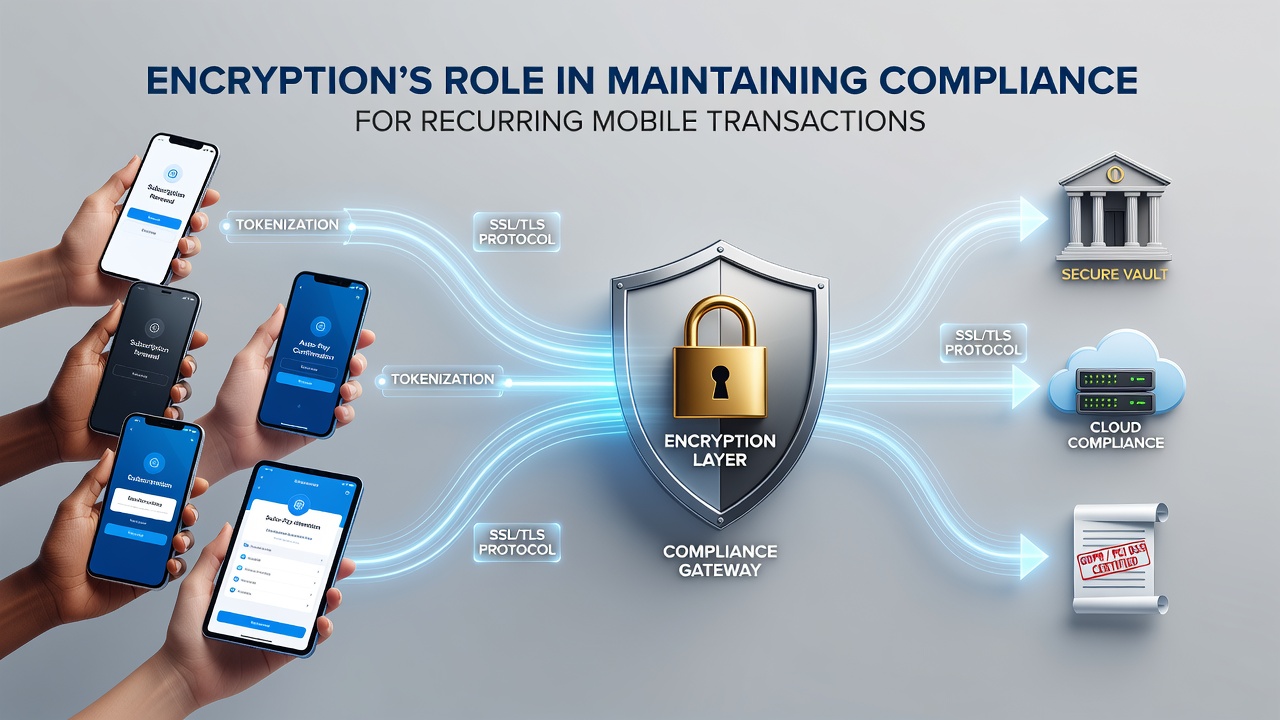
Merchants coordinate with payment processors to ensure that recurring transaction logs retain encrypted formats until they reach reconciliation stages, and this practice aligns with requirements from Australian financial regulators that stress data minimization alongside robust encryption. Those who've studied mobile payment infrastructures observe that combining encryption with tokenization creates layered defenses that satisfy multiple compliance layers at once. In practice, automated scripts verify encryption status before authorizing each recurring deduction, which prevents processing of unprotected data batches.
Challenges Addressed Through Encryption in Mobile Contexts
Device diversity introduces variables where encryption must function consistently across operating systems and hardware configurations, yet standardized protocols help maintain uniformity in data protection measures. Network fluctuations during mobile transactions can interrupt secure sessions, so fallback mechanisms reinitiate encrypted handshakes without exposing partial data. Evidence suggests that businesses investing in continuous monitoring tools for their encryption implementations maintain higher compliance rates when facing periodic assessments from oversight organizations.
Key management emerges as a focal point because lost or compromised keys can halt entire recurring billing operations, and solutions include distributed key systems that operate under strict access policies. Reports from research institutions highlight how these systems support audit trails that log every encryption and decryption event tied to mobile transactions, providing verifiable records for regulatory inquiries.
Conclusion
Encryption serves as a foundational component that enables recurring mobile transactions to meet compliance obligations across global standards, and its application spans data transmission, storage, and key handling processes. Organizations that prioritize these measures align their operations with evolving requirements while supporting secure payment cycles that users rely on for ongoing services. The continued refinement of encryption techniques ensures that mobile recurring systems can adapt to new security landscapes without disrupting established billing workflows.