2 Jun 2026
Exploring Intersections of Fraud Controls and Subscription Processing in Wireless Sales Channels
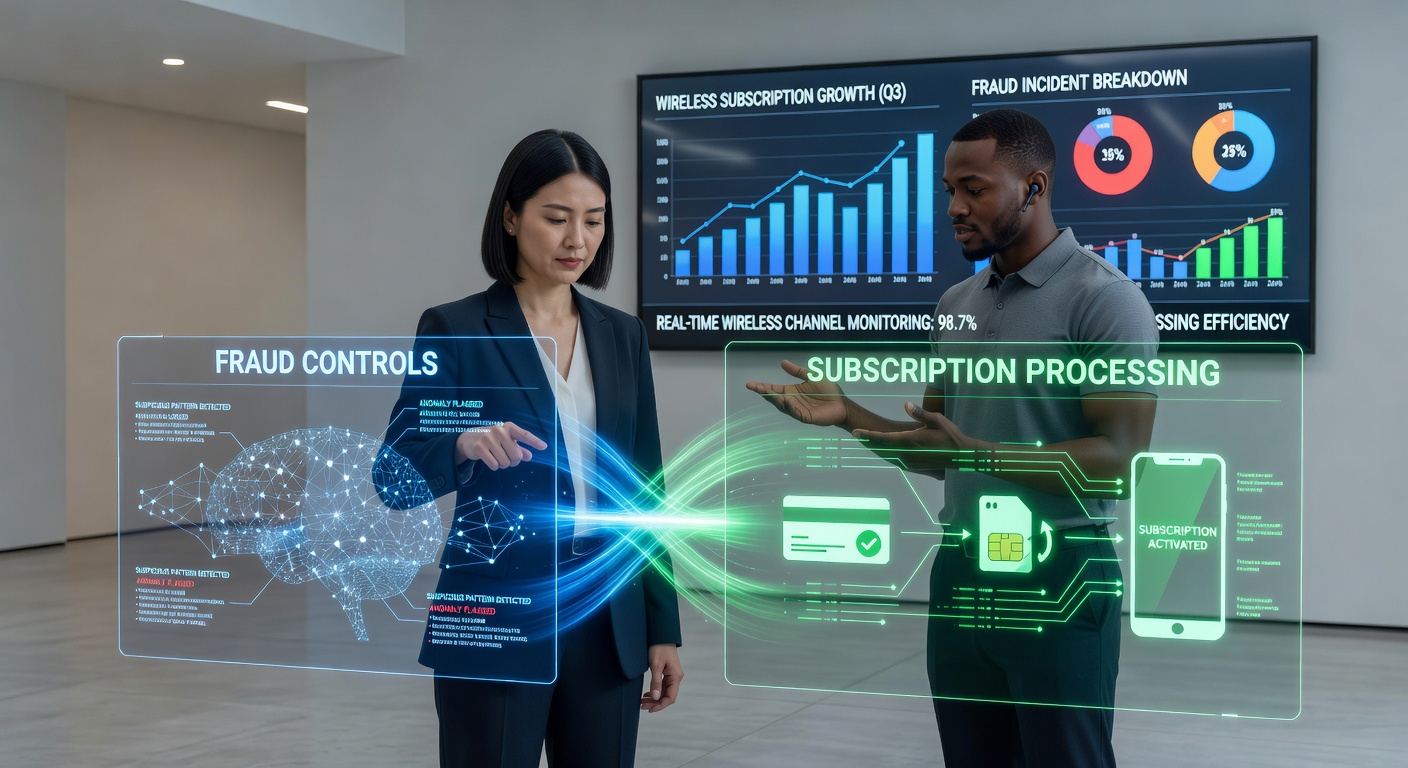
Wireless sales channels encompass retail outlets, online portals, and partner networks where carriers process device activations alongside recurring plan subscriptions, and fraud controls operate at each step to verify identities while maintaining transaction flow. Observers note that these channels handle high volumes of recurring billing arrangements that require simultaneous checks for unauthorized account creation and payment method validation, since June 2026 regulatory updates from multiple jurisdictions have emphasized real-time monitoring of subscription lifecycles.
Core Components of Subscription Processing
Subscription processing in wireless environments begins with customer onboarding that captures personal details, credit information, and device identifiers before activating service plans that bill monthly or annually. Systems coordinate inventory checks with payment gateways to confirm device availability and then establish recurring charge schedules that continue until cancellation or upgrade occurs. Data shows these steps often occur within minutes during peak periods when sales representatives or digital platforms manage simultaneous requests from multiple customers.
Wireless providers link subscription records directly to network provisioning tools so that once fraud screening clears an application the service activates without manual intervention. This connection allows carriers to adjust billing cycles automatically when customers add lines or change plans while the underlying fraud controls continue scanning for anomalies in usage patterns or payment histories.
Fraud Control Mechanisms in Wireless Contexts
Fraud controls in wireless sales rely on layered verification that includes device fingerprinting, address validation, and behavioral analytics to flag applications that deviate from established patterns. These mechanisms examine credit card details against known compromised databases and cross-reference customer information with previous transactions to detect potential account takeovers or synthetic identities. Research indicates that such controls reduce successful fraudulent subscriptions by cross-checking multiple data points before authorization completes.
Integration occurs when fraud engines feed results into the subscription workflow so that flagged accounts trigger additional review steps without halting legitimate processing. Carriers configure thresholds that balance security requirements against the need for rapid service activation since delays in subscription setup can lead to customer abandonment during the sales process.
Intersection Points Between Controls and Processing Flows
The primary intersection arises during the authorization phase where fraud scoring algorithms evaluate transaction risk before the system generates the first recurring charge. When risk scores remain low the subscription activates immediately and billing commences on the agreed schedule while higher scores route the application to manual review teams that examine supporting documentation. This handoff ensures that controls do not create unnecessary bottlenecks yet still catch suspicious patterns before they affect revenue streams.
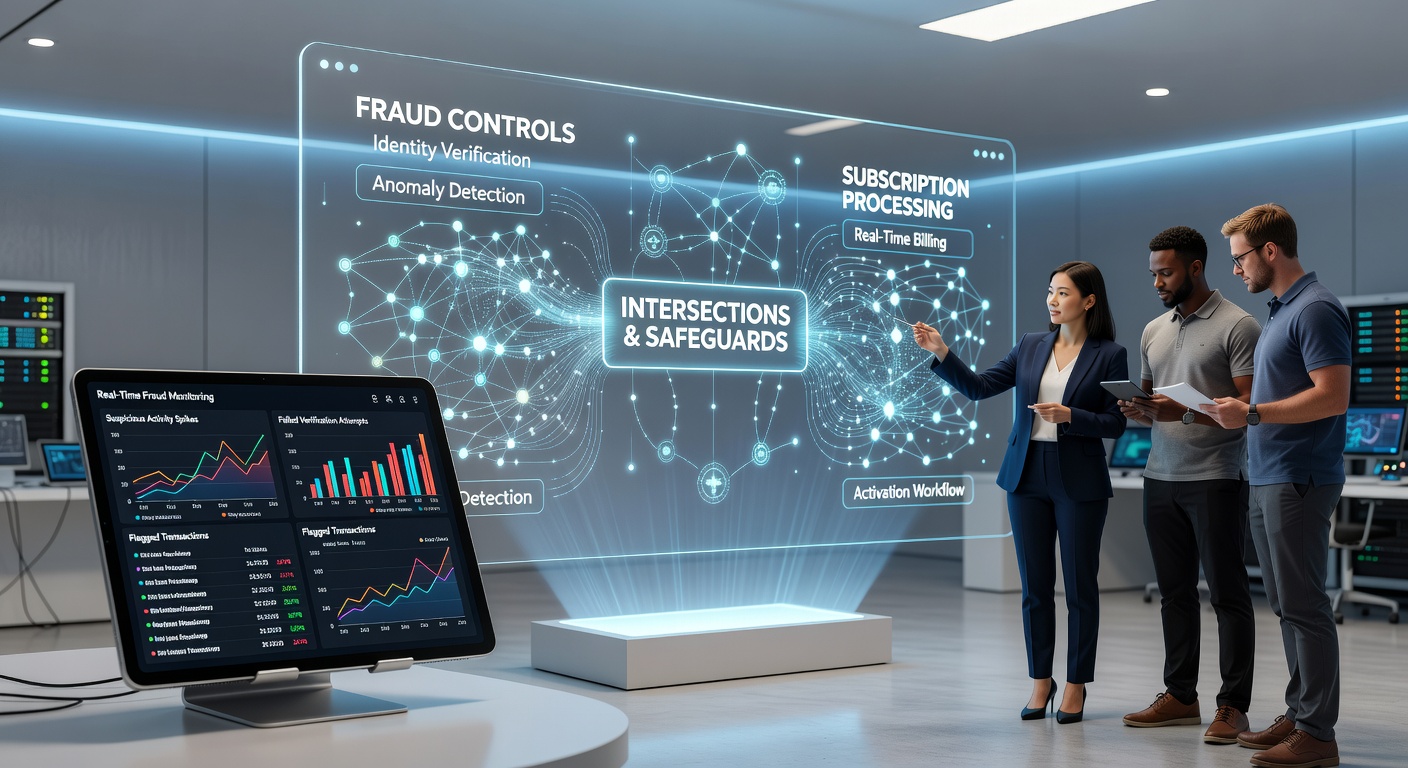
Another intersection appears in ongoing monitoring after initial activation where usage analytics combine with payment behavior data to identify subscriptions that may have been established fraudulently. Systems track unusual international roaming activity or sudden spikes in data consumption that could indicate stolen credentials and then apply holds or require re-verification to protect both the carrier and legitimate customers.
Regulatory Influences and Data Requirements
According to Federal Trade Commission guidelines on consumer data protection, wireless carriers must maintain records that demonstrate how fraud controls align with subscription processing timelines. These requirements extend to audit trails that document every verification decision and its impact on billing initiation. Canadian authorities through the Office of Consumer Affairs have similarly outlined expectations for transparent handling of recurring charges in telecommunications services.
European frameworks add another layer by mandating that subscription modifications receive explicit consent while fraud detection systems operate in the background without interfering with customer rights. Observers note that carriers operating across regions adjust their control parameters to satisfy the strictest applicable standards without duplicating verification efforts for each jurisdiction.
Operational Examples from Industry Practice
One wireless provider implemented a unified platform that routes every subscription request through a central fraud scoring engine before any billing record is created. The system reduced processing time for low-risk applications to under thirty seconds while routing approximately four percent of submissions for secondary review based on predefined risk indicators. Another case involved a regional carrier that integrated device IMEI validation directly into the subscription workflow so that reported stolen handsets automatically trigger blocks before service activation completes.
These implementations demonstrate how fraud controls embed within subscription processing rather than functioning as separate sequential steps. The result appears in streamlined operations where verification data informs both immediate activation decisions and long-term account management protocols.
Conclusion
Wireless sales channels continue to refine the connections between fraud controls and subscription processing through shared data platforms and automated decision rules. These intersections support accurate billing while addressing unauthorized activity across device sales and recurring service arrangements. As regulatory expectations evolve carriers adjust their systems to maintain compliance without disrupting the speed required for competitive sales operations.