From Cart to Card: PCI's Role in Seamless Online Checkout Experiences
26 Apr 2026
From Cart to Card: PCI's Role in Seamless Online Checkout Experiences
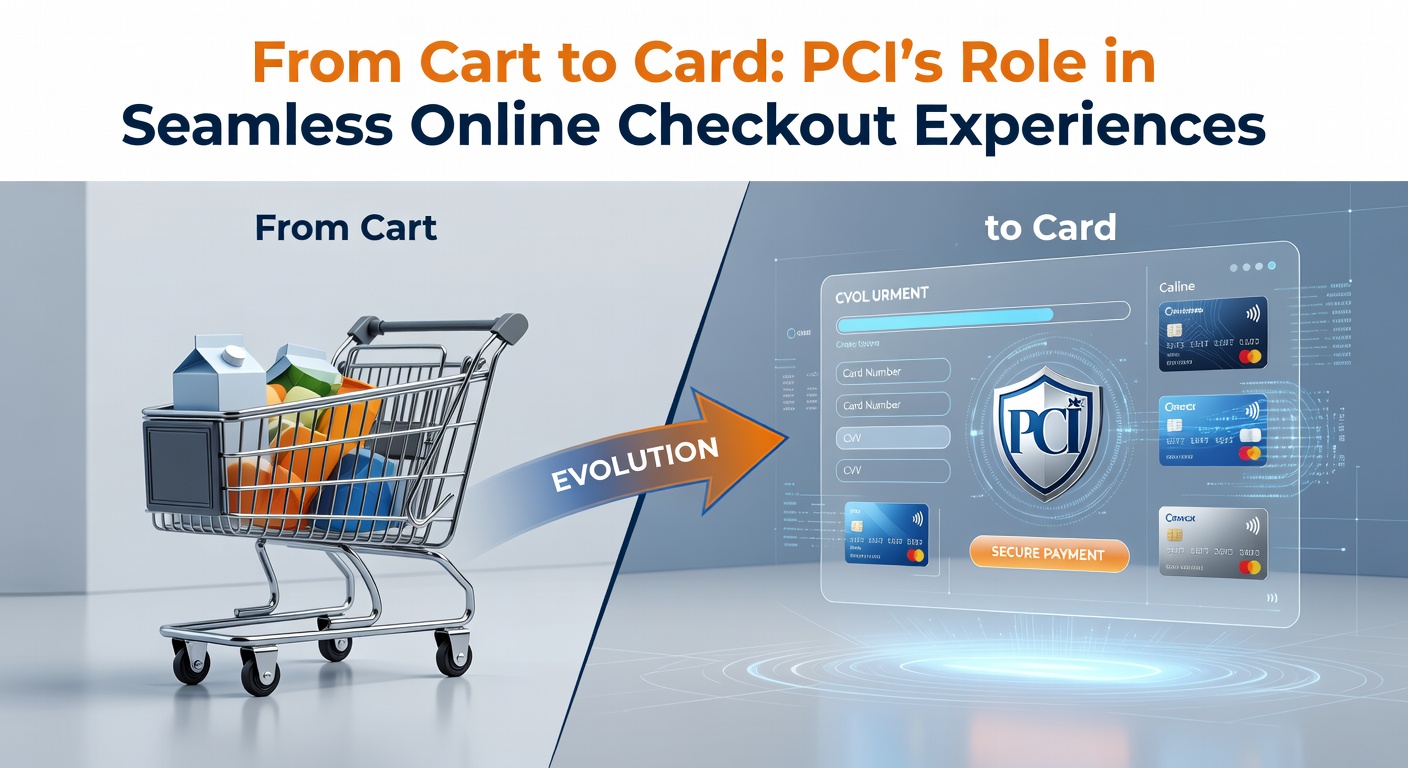
The Journey from Cart to Card in Modern E-Commerce
Online shoppers add items to their carts, review selections, enter payment details, and hit submit; that split-second process relies on layers of security standards ensuring data moves safely from cart to card without hitches, and at the heart of this sits PCI DSS, the Payment Card Industry Data Security Standard, which merchants worldwide adopt to protect cardholder information during transactions.
Turns out, what feels like a frictionless checkout hides complex validations; processors scan for compliance, tokens replace raw card data, and encryption shields sensitive details, all mandated by PCI guidelines that evolve with threats like sophisticated skimming attacks or data breaches.
Data from the PCI Security Standards Council reveals over 6,000 requirements across 12 core categories in the latest version, helping e-commerce platforms handle billions of transactions annually while minimizing fraud risks that could disrupt seamless experiences.
Unpacking PCI DSS: The Backbone of Secure Payments
PCI DSS emerged in 2004 when major card brands—Visa, Mastercard, American Express, Discover, and JCB—united to create unified security benchmarks; before that, fragmented rules left gaps, but now this global standard requires businesses to build and maintain secure networks, protect cardholder data, and implement strong access controls, among other measures.
Experts who audit compliance note how Level 1 merchants, those processing over 6 million transactions yearly, undergo quarterly network scans and annual on-site assessments; smaller operations self-assess via questionnaires, yet everyone follows the same foundational principles that keep checkouts speedy and safe.
What's interesting is the shift toward customization; PCI DSS 4.0, released in March 2022, introduces tailored control frameworks, allowing entities to adapt security to their environments while ensuring core protections remain ironclad.
How PCI Integrates into the Checkout Pipeline
From the moment a customer selects 'pay now,' PCI-compliant systems kick in: payment pages load via tokenized iframes that never touch the merchant's servers with raw PAN—primary account numbers—thus reducing breach scopes; gateways like Stripe or Adyen, certified under PCI, handle validation, 3D Secure authentication, and tokenization in one fluid step.
And here's where it gets seamless; since PCI mandates vulnerability management and regular testing, platforms preempt downtime from exploits, meaning abandoned carts drop because users trust the process won't snag on security pop-ups or failed validations.
Observers in the payments space point to A/B tests where PCI-optimized flows cut checkout abandonment by up to 20%, as figures from industry benchmarks indicate faster load times pair with robust encryption to deliver one-click approvals.
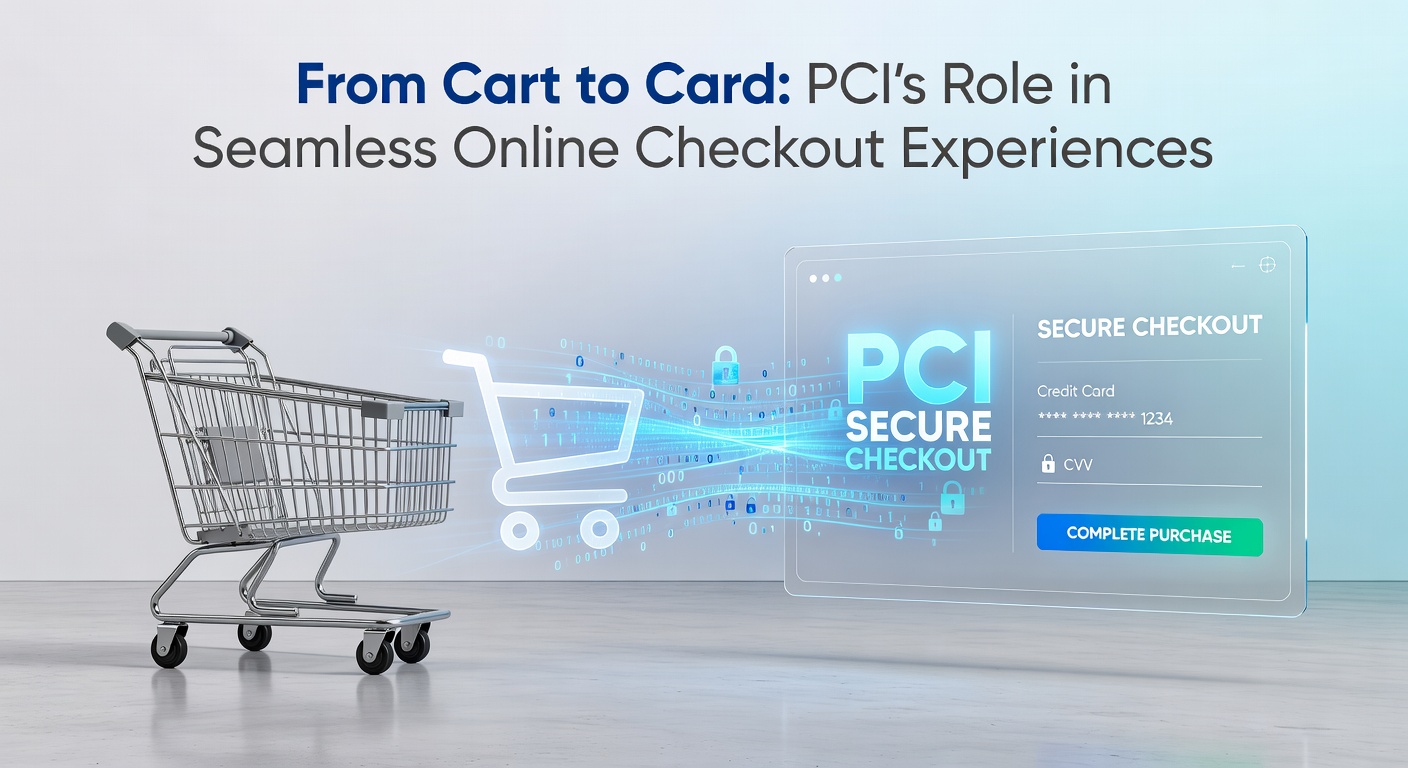
Core PCI Controls Driving Frictionless Experiences
Build secure networks with firewalls and segmented systems; protect data through encryption and masking; maintain antivirus software updated against new malware strains; and restrict access via multi-factor authentication—these form PCI's 12 requirements, each bolstering the path from cart abandonment fears to confirmed orders.
Take regular testing: quarterly scans by Approved Scanning Vendors uncover vulnerabilities before hackers do, while penetration tests simulate attacks, ensuring checkout endpoints withstand probes without alerting customers to underlying defenses.
That said, the real magic happens in monitoring; continuous logging and anomaly detection flag unusual patterns—like a cart from Brazil charged to a U.S. card at odd hours—triggering silent reviews that preserve flow for legitimate users.
Real-World Impacts: Merchants and Customers Reap Rewards
Merchants embracing PCI see chargeback ratios plummet; Visa reports show compliant businesses enjoy lower fees and higher approval rates, since issuers trust vetted processors more readily during authorization holds.
Customers benefit too; one study from Forrester Research found PCI-secured sites boost conversion rates by 15%, as shoppers complete purchases faster without nagging security interstitials or form rejections.
People who've analyzed global e-commerce trends discover recurring patterns: platforms like Shopify integrate PCI service provider badges, signaling trust that nudges hesitant buyers over the line, turning browsers into buyers seamlessly.
Navigating Compliance Challenges in Fast-Paced E-Commerce
Yet compliance isn't always straightforward; legacy systems strain under PCI's demands, forcing migrations to cloud-native gateways that support software-based PIN entry or dynamic CVV generation, innovations easing mobile checkouts.
Small merchants often grapple with costs—audits run thousands annually—but third-party providers absorb much of the burden via Software as a Service models, where the provider's PCI Level 1 status shields the business.
But here's the thing: non-compliance bites hard; fines from acquirers stack up alongside breach liabilities, and data from Verizon's annual breach reports highlights how 80% of payment card compromises stem from outdated security, underscoring PCI's preventive punch.
Case Studies: PCI in Action Across Borders
Consider Zalando, Europe's fashion giant: after a PCI overhaul, their checkout latency dropped 30%, with tokenization slashing data exposure; experts credit vaulted card-on-file storage for enabling guest checkouts that feel like repeats.
Across the Pacific, Australia's Afterpay leverages PCI for buy-now-pay-later flows; by embedding compliant APIs, they process millions weekly without friction, as regulatory nods from the Australian Payments Network affirm scalable security.
One U.S. retailer, Wayfair, faced a 2018 breach scare but bounced back stronger; post-PCI 3.2 upgrades, fraud losses halved, and cart-to-card conversions climbed, proving standards deliver when rigorously applied.
Gazing Toward April 2026: PCI's Evolving Landscape
Now, as April 2026 approaches, full enforcement of PCI DSS 4.0's future-dated requirements takes hold; customizations for emerging tech like serverless architectures and AI-driven monitoring become mandatory, preparing platforms for quantum threats and biometric payments.
Researchers tracking standards evolution predict deeper integrations with ISO 20022 messaging, streamlining cross-border checkouts where PCI tokens align with global schemes.
It's noteworthy that card networks push for point-to-point encryption universally by then, minimizing merchant scopes and accelerating authorizations in high-volume scenarios like Black Friday rushes.
Conclusion
PCI DSS quietly orchestrates the symphony from cart to card, weaving security into every tap and swipe so online shopping hums without a stutter; merchants who prioritize compliance unlock smoother flows, fewer disputes, and loyal customers who return effortlessly.
While challenges persist, the trajectory points upward: with innovations in token services and automated attestations, seamless checkouts stand to become even more intuitive, backed by standards that adapt faster than threats emerge.
In the end, those navigating e-commerce know this much—the ball's firmly in PCI's court, ensuring trust underpins every transaction.