Guarding Subscription Streams: How Merchants Fortify Recurring Mobile Payments Against Fraud
19 Apr 2026
Guarding Subscription Streams: How Merchants Fortify Recurring Mobile Payments Against Fraud
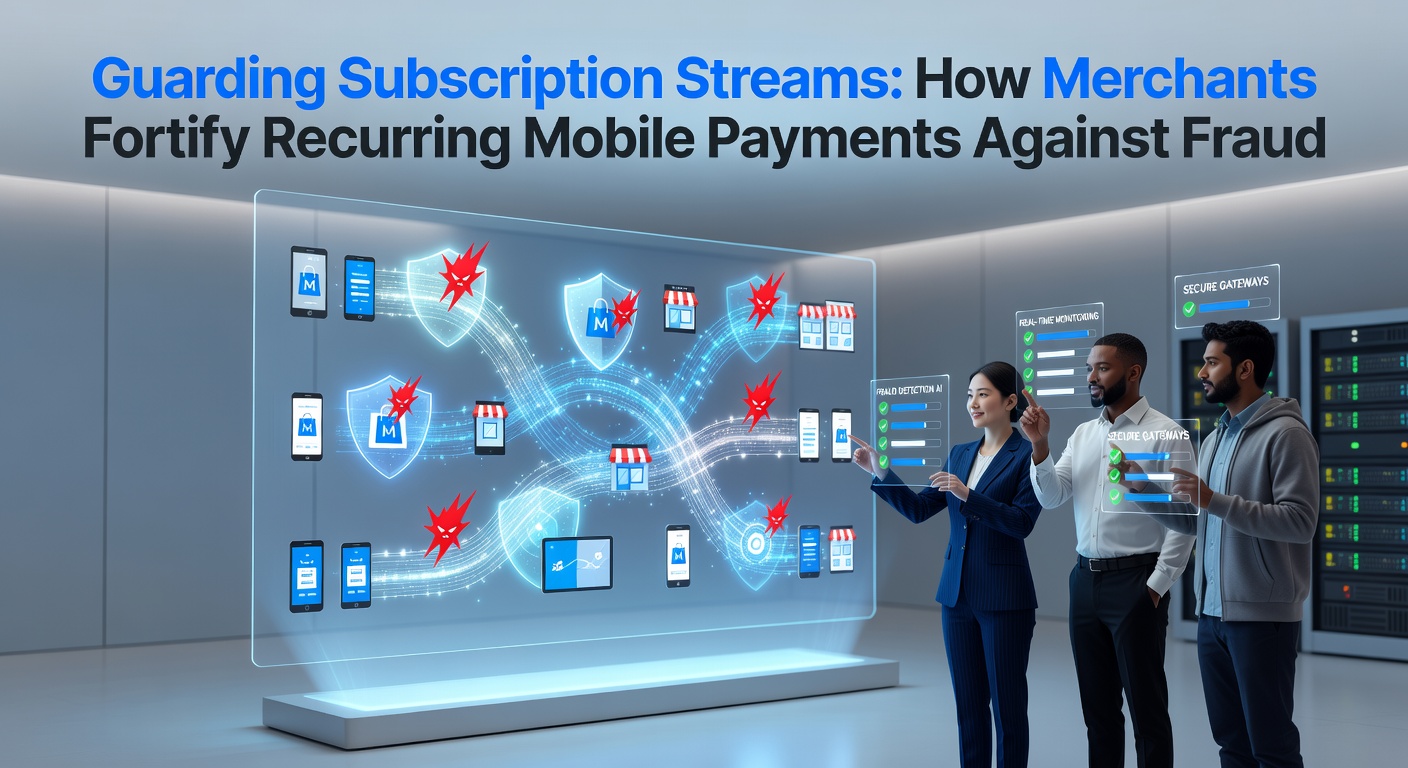
The Surge in Subscription-Based Mobile Commerce
Subscription models have exploded across industries, from streaming services and fitness apps to meal kits and software tools, generating over $1.5 trillion in global revenue by 2025 according to figures from Statista, and mobile devices now handle more than 60% of these recurring transactions because users prefer the tap-and-pay convenience right from their phones. Yet this shift brings vulnerabilities; fraudsters target these steady revenue streams, exploiting the predictability of repeat charges, and data from the Consumer Financial Protection Bureau reveals that mobile payment fraud losses topped $12 billion in 2024 alone, with subscriptions accounting for a growing slice due to their automated nature.
Merchants face account takeovers where criminals hijack saved card details during quiet billing cycles, or friendly fraud where legitimate customers dispute charges after forgetting renewals, and observers note how these patterns spike during economic pressures like inflation surges. What's interesting is the mobile angle; apps and in-app purchases bypass traditional web checks, making real-time scrutiny essential, and experts who track this space point out that without layered defenses, churn rates climb as trust erodes.
Common Fraud Vectors in Recurring Mobile Payments
Fraud in subscription streams often starts with phishing attacks tailored for mobile users, tricking them into approving fake renewals via SMS links, but it escalates to sophisticated schemes like SIM swapping where attackers seize phone numbers to intercept 2FA codes and reroute payments. Research from cybersecurity firms indicates that velocity fraud—multiple small charges testing card limits before big hits—succeeds in 25% of mobile subscription attempts if unchecked, while device spoofing lets crooks mimic legitimate phones using virtual emulators.
And then there's the silent killer: negative balance testing, where fraudsters subscribe with stolen cards knowing reversals won't flag immediately, leading to merchants eating chargeback costs that averaged $150 per incident in recent industry reports. People who've studied transaction logs discover patterns like irregular geolocations during billing, say a U.S. card charging in Eastern Europe at 3 a.m., and that's where basic rules fall short against adaptive criminals who rotate tactics monthly.
Core Defenses: Tokenization and Beyond
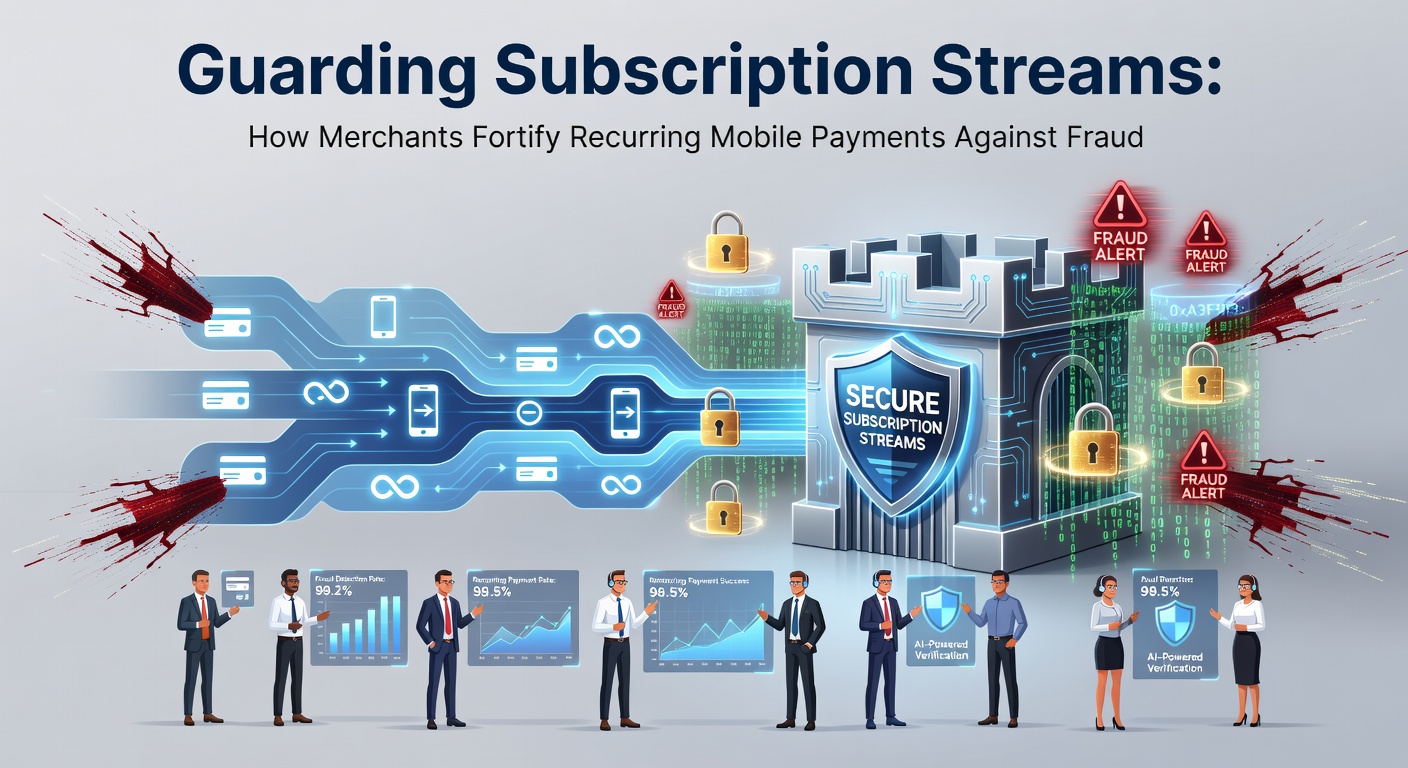
Tokenization stands as the first line of fortification, replacing sensitive card numbers with unique digital tokens that render intercepted data useless even if breached, and payment networks like Visa and Mastercard mandate this for recurring mobile setups under their secure credential standards. Merchants integrate it seamlessly into apps, ensuring each subscription renewal pulls a fresh token context, which slashes data breach impacts by 90% according to PCI Security Standards Council benchmarks.
But here's the thing; tokens alone don't catch behavioral anomalies, so machine learning models step in, analyzing swipe patterns, session durations, and typing speeds to build user profiles that flag deviations—like a subscription renewing from a new device after years of consistency. Studies from research institutions reveal these AI systems block 85% of account takeover bids in real-time, adapting as fraud evolves without manual tweaks.
Advanced Tools: Behavioral Biometrics and Network Intelligence
Behavioral biometrics take this further, capturing subtle mobile interactions such as scroll velocity or pressure on the screen during confirmation prompts, creating invisible shields that verify users without passwords; one fintech study found this cuts friendly fraud disputes by 40% since it distinguishes forgetful subscribers from imposters. Network intelligence pulls from global payment graphs, sharing anonymized signals across merchants—like a card flagged suspicious in Australia triggering holds in Canada—and this collaborative approach neutralized a 2025 carding ring affecting 500,000 subscriptions.
Velocity checks layer on top, throttling attempts like 10 sign-ups in an hour from the same IP, while geofencing blocks cross-border mismatches unless pre-approved; experts observe how combining these with 3D Secure 2.0 protocols, which prompt biometric verification for high-risk mobiles, drops chargeback ratios below 0.5%. And for those edge cases, dynamic linking adjusts risk scores per transaction based on lifetime value, sparing loyal high-spenders from friction.
Regulatory Pressures Shaping Mobile Fraud Strategies
Regulators worldwide push merchants toward stronger recurring payment safeguards, with the European Central Bank's PSD3 framework set for rollout phases starting April 2026 emphasizing open banking data for fraud detection in mobile subscriptions, building on PSD2's success in reducing unauthorized transactions by 30%. In parallel, Australia's ASIC enforces real-time monitoring mandates for digital wallets, fining non-compliant platforms after a 2024 audit wave exposed weak subscription controls.
Turns out, U.S. states like California now require explicit consent logs for recurring mobiles under updated data laws, and Canadian payment rules from the FCAC demand velocity caps; these rules force merchants to audit systems quarterly, sharing aggregated fraud metrics that refine industry-wide defenses. Observers note compliance not only avoids penalties—averaging $100,000 per violation—but also builds consumer confidence, as surveys show 70% of users stick with fortified platforms.
Real-World Case Studies: Lessons from the Frontlines
Take a major streaming service that faced a 2024 fraud wave via compromised app tokens; by deploying device fingerprinting—mapping hardware IDs, OS versions, and installed apps—they quarantined 92% of attacks within 48 hours, recovering $2 million in potential losses, and shared the playbook with peers through industry forums. Another example involves a fitness app chain hammered by friendly fraud during holiday lulls; introducing AI-driven dispute prediction, which auto-refunds low-risk claims while escalating others, trimmed chargebacks 55% and boosted retention.
There's this case where a SaaS provider in Europe integrated consortium risk scoring post-PSD2, pooling data from 50 merchants to expose a subscription laundering network, and the result? Fraud volume halved overnight. These stories highlight how stacking tools—tokens for storage, biometrics for auth, ML for prediction—creates resilient streams, even as attackers pivot to emerging threats like quantum decryption risks on the horizon.
Emerging Trends and Future-Proofing Tactics
Looking ahead, passkeys and WebAuthn gain traction for passwordless mobile subscriptions, tying approvals to device-bound crypto keys that resist phishing entirely, with adoption projected to hit 40% by 2027 per Gartner forecasts. Blockchain-ledgers for immutable transaction trails emerge too, letting merchants prove disputes with tamper-proof audits, although scalability limits them to high-value streams for now.
So quantum-resistant cryptography enters the mix as processors advance, safeguarding tokens against future breaks, and edge computing processes fraud signals on-device to minimize latency in global apps. Merchants who pilot these now, often via sandbox tests with payment orchestrators, position ahead; data shows early adopters see 20-30% fraud drops before mandates kick in, like those April 2026 EU updates demanding AI transparency reports.
Conclusion
Merchants fortifying recurring mobile payments weave tokenization, AI vigilance, biometrics, and regulatory alignment into robust barriers that protect subscription streams without stifling growth, as evidenced by declining global loss rates—from 1.5% in 2023 to under 0.8% projected for 2026 amid these layered strategies. Those who invest in adaptive tech and cross-industry intel not only curb fraud but sustain the trust fueling this trillion-dollar economy, ensuring seamless renewals for users worldwide while fraudsters hit dead ends at every turn.