14 Jun 2026
How Verification Sequences Integrate with Automated Deduction Systems in Mobile Retail During Peak Periods
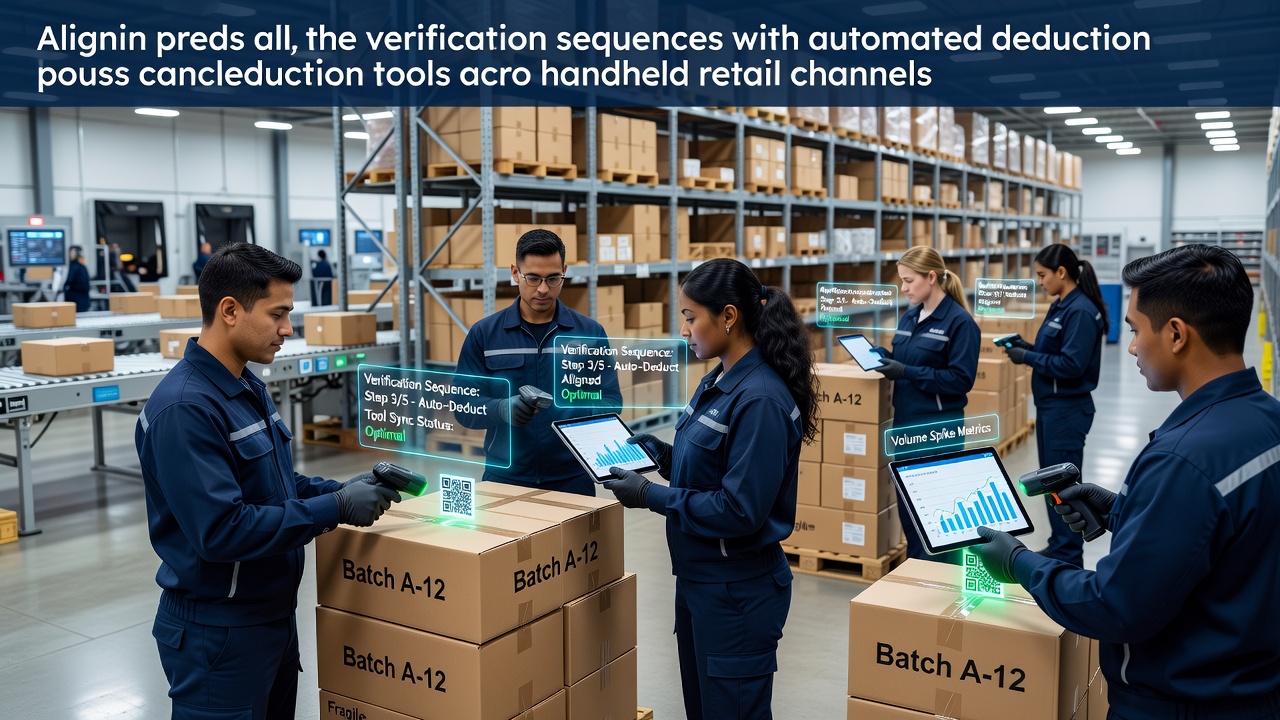 Retail operations rely on handheld devices to manage transactions when customer traffic surges, and verification sequences work alongside automated deduction tools to maintain accuracy across these portable channels. Observers note that such alignment becomes critical during volume spikes, when sales data from point-of-sale units must route through multiple checkpoints before funds reach merchant accounts. Verification sequences typically begin with device-level authentication that confirms card details and user identity before any deduction proceeds. Automated deduction tools then execute the transfer based on pre-approved parameters while cross-checking against real-time inventory and account balances. Research indicates that these steps reduce processing errors when handheld units operate in environments with fluctuating network conditions.
Core Components of Verification in Handheld Systems
Handheld retail channels use layered verification that incorporates tokenization and biometric checks to secure each transaction. Data from portable terminals flows to central processors where sequences validate authorization codes before automated deductions activate. Those who've studied payment flows observe that this structure supports consistent performance even as transaction counts rise sharply.
Studies from the Federal Reserve have tracked how verification protocols handle increased loads in mobile environments, showing that sequential checks prevent duplicate entries during busy intervals. Automated deduction mechanisms receive validated inputs and proceed with batch processing that aligns with daily settlement cycles. This coordination allows retailers to avoid interruptions when customer volumes peak unexpectedly.
Challenges During Volume Spikes
Volume spikes place pressure on handheld networks because simultaneous device activity can strain bandwidth and processing queues. Verification sequences must complete within tight time windows to feed accurate data into deduction tools, yet network latency sometimes extends these intervals. Observers note that retailers address these issues through pre-configured fallback routes that maintain sequence integrity without halting deductions.
Figures from the European Central Bank reveal patterns in mobile payment volumes that correlate with seasonal retail events, where verification alignment directly influences deduction success rates. Handheld channels in particular require dynamic adjustments to sequence timing so that automated tools can operate without accumulating backlogs. Retail systems that incorporate predictive scaling demonstrate measurable improvements in handling these surges.
Alignment Mechanisms and Technical Integration
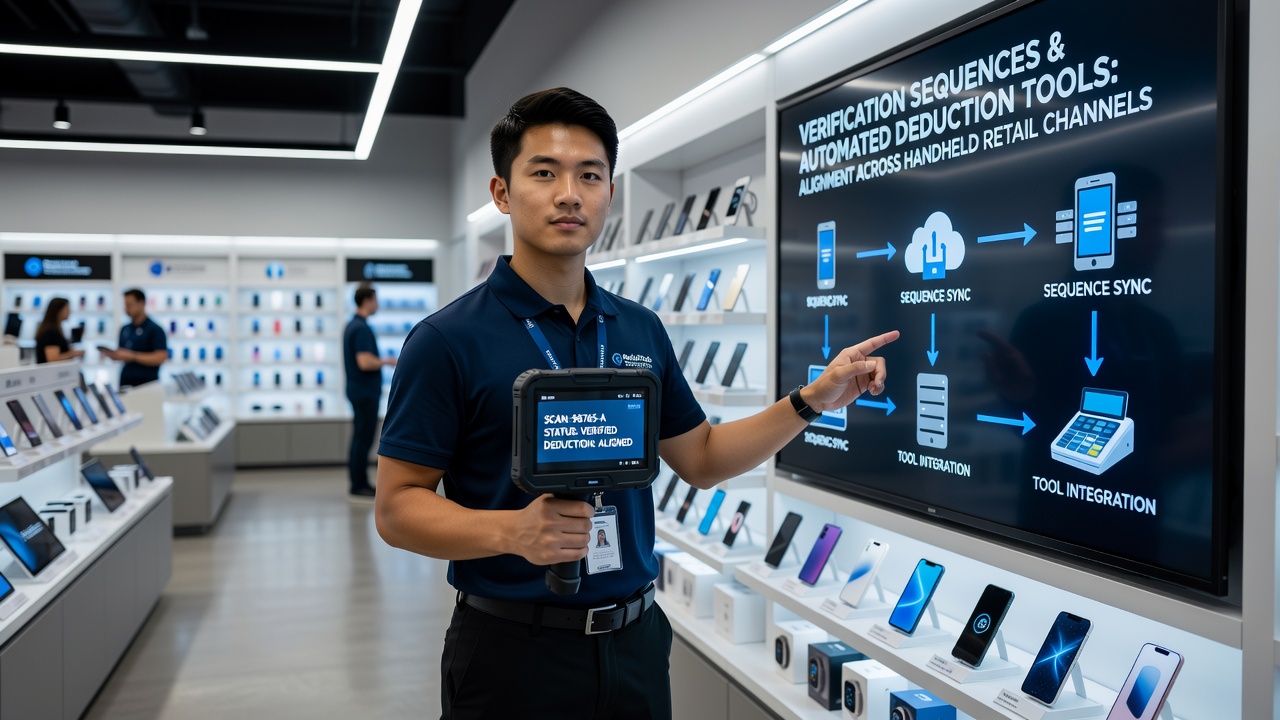
Alignment occurs through standardized APIs that connect verification outputs directly to deduction engines on handheld platforms. These interfaces transmit status flags and confirmation tokens so that each deduction step references the prior verification result. Researchers have documented how such linkages minimize mismatches when multiple devices submit transactions concurrently during high-demand periods.
Retailers implement middleware layers that monitor sequence completion rates and trigger adjustments in deduction timing accordingly. Data shows that this approach maintains operational continuity across wireless sales channels even as volumes exceed baseline projections. In June 2026, updated protocol versions introduced enhanced buffering that further stabilized these handoffs during extended peak windows.
Examples from Retail Operations
Take one chain that deployed handheld units across multiple store locations where verification sequences routed through centralized gateways before automated deductions finalized. The setup allowed real-time reconciliation that kept inventory records current while processing thousands of transactions per hour. Similar configurations appear in logistics operations that rely on portable terminals for on-site sales during temporary high-traffic events.
Another instance involves regional grocers who integrated verification checkpoints with deduction automation to manage weekend rushes. Their systems logged sequence timestamps that helped identify and resolve bottlenecks before they affected downstream processing. Such cases illustrate how the technical alignment supports sustained throughput without requiring manual intervention.
Regulatory and Standards Context
Payment standards developed by organizations such as the National Institute of Standards and Technology outline requirements for sequence verification that influence how automated deduction tools function in mobile settings. Compliance frameworks emphasize audit trails that link each verification event to its corresponding deduction outcome. Retail operators follow these guidelines to ensure handheld channels meet security benchmarks during periods of elevated activity.
Industry reports from the Australian Payments Network highlight adoption trends where alignment between verification and deduction processes correlates with lower exception rates in portable retail environments. These findings underscore the practical value of maintaining synchronized workflows when transaction volumes fluctuate.
Conclusion
Verification sequences and automated deduction tools operate as interconnected elements within handheld retail channels, particularly when volume spikes test system capacity. The mechanisms that link these components rely on established protocols, real-time monitoring, and adaptive scaling to sustain performance. Data from multiple regulatory and research sources confirms that such alignment contributes to reliable transaction handling across mobile retail operations. As handheld technology continues to evolve, the focus remains on preserving sequence integrity so that deduction processes can execute without disruption.