21 Jun 2026
Linking Digital Wallet Checks to Banking Records in Crowded Peer-to-Peer Networks
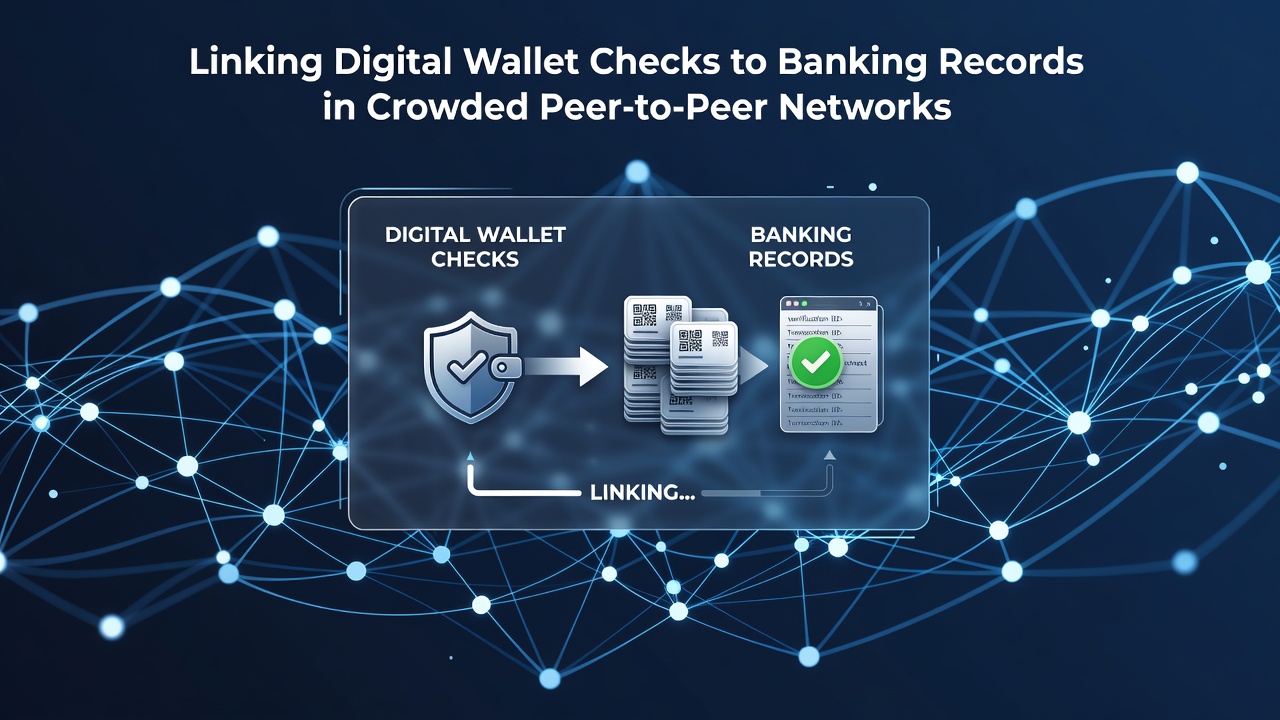
Digital wallet systems now connect transaction checks directly to banking records when peer-to-peer networks handle high volumes of activity, and observers note that these connections help maintain accuracy across multiple simultaneous transfers. Networks experience congestion during peak periods such as holiday seasons or flash sales events, where thousands of users initiate exchanges at once, and data pathways between wallets and banks become essential for confirming balances and preventing mismatches.
Research from financial institutions shows that automated verification sequences pull account details through secure application programming interfaces, which then cross-reference wallet entries against central banking ledgers in real time. This process occurs without exposing full account numbers to the network participants, since tokenized identifiers replace sensitive information during the exchange. Studies conducted by central banks indicate that such linkages reduce discrepancies in transaction logs by significant margins when traffic spikes occur.
Network Congestion and Verification Demands
Crowded peer-to-peer environments create unique pressures because multiple nodes process requests concurrently, and delays in record matching can lead to temporary holds on funds. Engineers at payment platforms have implemented layered protocols that prioritize checks based on transaction size and frequency, which allows smaller routine transfers to complete faster while larger amounts undergo extended validation against banking sources. In June 2026, several networks began testing enhanced synchronization tools that batch verification requests during off-peak windows to ease server loads.
Those who monitor these systems report that congestion often peaks around midday in major time zones, when global users overlap in activity, and the linkage to banking records serves as a safeguard against duplicate entries or unauthorized shifts. Regulatory frameworks in regions such as the European Union require these cross-checks to align with data protection standards, whereas frameworks in Australia emphasize consumer consent mechanisms before any record pull occurs.
Technical Pathways for Record Integration
Secure channels transmit encrypted queries from wallet applications to banking servers, and responses return within milliseconds under optimal conditions, although crowded networks may extend these timelines slightly. Developers incorporate redundancy through secondary verification nodes that activate when primary pathways slow down, and this setup ensures continuity even when one segment of the network faces overload. Evidence from industry reports reveals that integration success rates exceed 99 percent in well-designed systems during simulated high-volume tests.
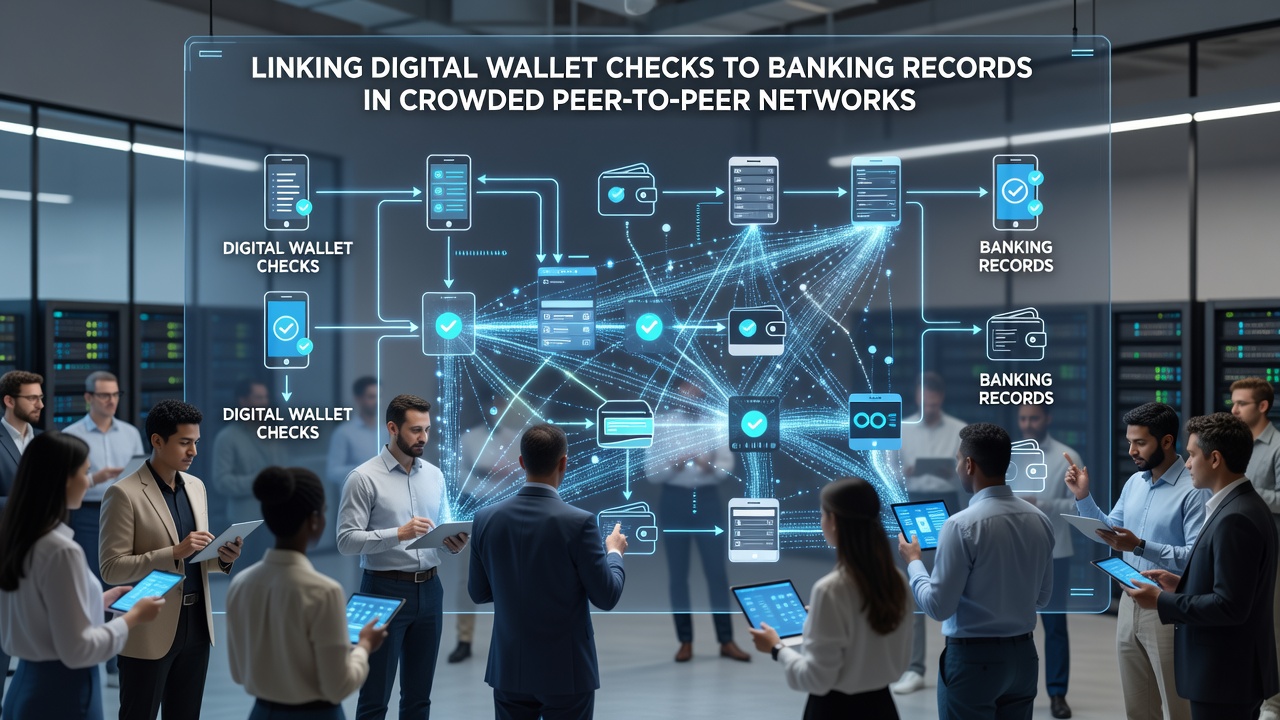
One case examined by researchers at the Bank of Canada demonstrated how API calls from digital wallets triggered automatic balance confirmations across multiple financial institutions simultaneously, which prevented overdraw situations in crowded testing environments. Similar approaches appear in systems overseen by the Reserve Bank of Australia, where protocols require explicit user authorization for each linkage request to maintain transparency throughout the process.
Security Measures and Data Handling
Encryption standards protect the data flowing between digital wallets and banking records, and multi-factor authentication steps precede any record access in most implementations. Observers note that these layers become particularly important in peer-to-peer settings because participants lack direct relationships with one another, which increases reliance on automated safeguards. Figures from recent audits show that unauthorized access attempts drop substantially when banking record checks occur at the point of wallet initiation rather than after transfer completion.
Privacy controls limit the scope of shared information, so banking institutions release only the minimum data needed for verification, such as available balance flags or account status indicators. This selective approach complies with varying international rules while still enabling rapid processing in congested networks. Data from academic studies on payment infrastructure indicates that selective sharing also reduces storage requirements on wallet providers, which streamlines operations during sustained high activity.
Future Developments in Record Linkage
Advancements continue in machine learning models that predict network load and pre-stage verification resources accordingly, and these models draw from historical patterns of peer-to-peer usage to allocate server capacity in advance. In June 2026, updates to certain platforms incorporated predictive analytics that adjusted linkage speeds based on anticipated congestion levels derived from user behavior data. Such tools allow smoother handling of record checks without requiring constant manual oversight from network administrators.
Collaboration between wallet operators and banks has produced standardized message formats that accelerate data exchange, and these formats support both domestic and cross-border transactions within the same framework. Reports from research institutions highlight that standardized formats cut processing times by measurable percentages in multi-party environments where records must reconcile across different banking systems.
Conclusion
Linking digital wallet checks to banking records provides a foundation for reliable operations in crowded peer-to-peer networks, and the technical methods continue to evolve with regulatory and technological shifts. Systems that maintain these connections demonstrate consistent performance across varying traffic conditions, which supports broader adoption of digital payment methods in daily commerce. Continued refinement of integration pathways ensures that verification remains both secure and efficient as network demands grow.