9 Jun 2026
Real-Time Sync Between Processors and Inventory Tools: Reducing Delays in Peak Retail Transaction Flows
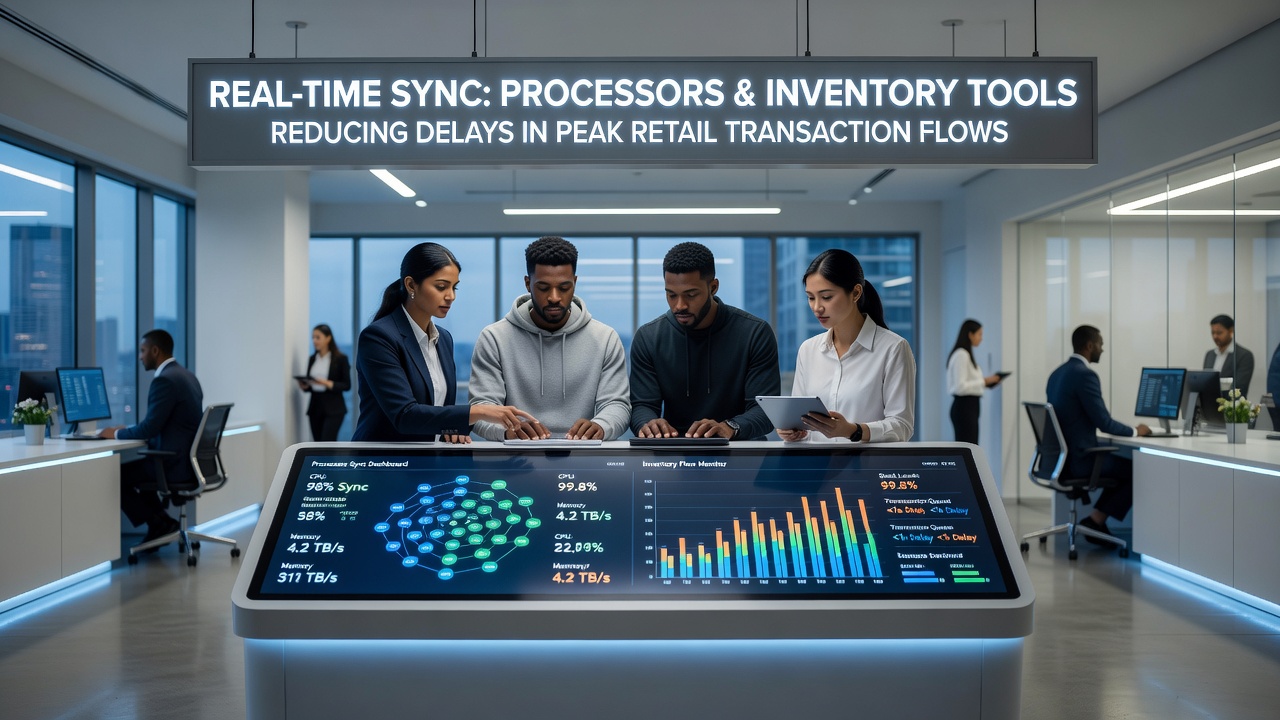 Retail operations rely on coordinated data exchange between payment processors and inventory management systems, especially when transaction volumes surge during seasonal events or promotional periods. This coordination allows stock levels to update instantly as sales occur, preventing overselling while keeping payment authorization timelines aligned with available merchandise.
Core Mechanisms Driving Instant Data Alignment
Payment processors handle authorization requests from point-of-sale terminals or online carts, while inventory tools track product quantities across warehouses and store locations. Real-time synchronization occurs through application programming interfaces that transmit transaction confirmations directly into inventory databases within milliseconds. According to industry reports from the National Retail Federation, these API connections reduce order processing lags by integrating payment status codes with stock adjustment protocols in a single data stream.
Systems achieve this alignment by using event-driven architectures where each successful payment triggers an immediate inventory decrement. Middleware layers often sit between the two platforms, translating payment gateway responses into inventory action commands without requiring manual intervention. Data shows that retailers employing these layered connections maintain accuracy rates above 99 percent during high-volume windows, as measured in operational benchmarks released by retail technology providers.
Performance During High-Volume Retail Cycles
Peak periods such as holiday shopping windows or flash sales generate transaction spikes that can exceed normal daily volumes by factors of five or more. Without synchronized systems, payment approvals may complete while inventory records lag, leading to backorders or canceled sales after funds have already been authorized. Observers note that integrated processor-inventory setups cut these mismatches by routing confirmation signals through unified channels that update both financial ledgers and stock counts simultaneously.
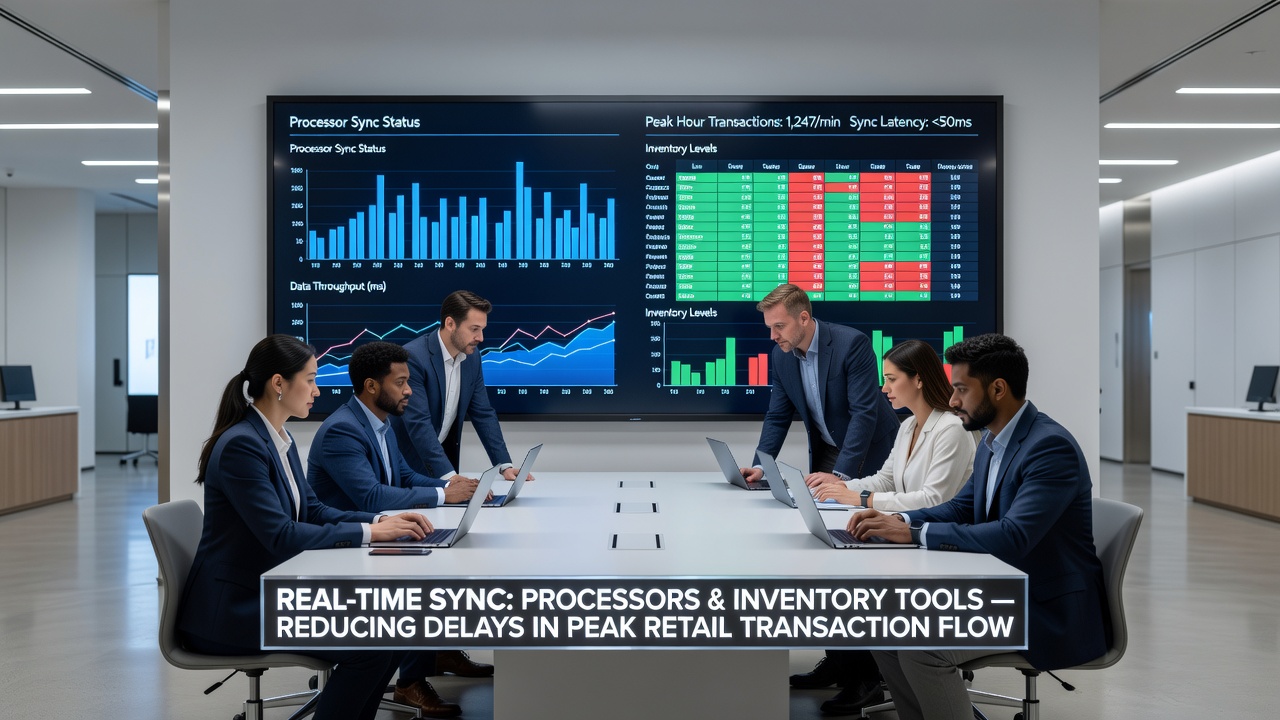
June 2026 data from multi-channel retail networks indicated that stores using live synchronization experienced average checkout completion times 18 seconds shorter than those relying on batch updates. This reduction stems from automated checks that verify product availability before finalizing payment requests, thereby avoiding the need for post-authorization adjustments.
Integration Patterns Observed Across Retail Formats
Physical stores often deploy handheld terminals that feed transaction data into cloud-based inventory platforms through cellular or Wi-Fi connections. E-commerce platforms achieve similar results via webhook notifications sent from payment processors straight to warehouse management software. Research from academic institutions including the University of Queensland Business School has documented how these patterns scale across regions, with Australian retailers reporting fewer stock discrepancies during end-of-financial-year sales when synchronization intervals drop below one second.
Hybrid models combining both channels require additional routing logic to consolidate sales from mobile apps, websites, and in-store devices into a shared inventory view. Figures from European retail consortia reveal that unified data pipelines prevent duplicate reservations of the same item across channels, maintaining accurate counts even when thousands of concurrent transactions occur.
Technical Standards Supporting Continuous Updates
Standards such as ISO 8583 for financial transaction messaging and emerging retail data exchange protocols enable structured payloads that carry both payment details and inventory identifiers in single transmissions. These formats allow processors to embed stock reference numbers within authorization requests, triggering immediate database writes on the inventory side. Canadian retail analytics groups have tracked adoption rates of these combined message structures, noting steady increases among mid-sized chains seeking to handle summer clearance events without manual reconciliation steps.
Encryption layers protect the combined data streams while compression techniques keep transmission sizes small enough for consistent performance on variable network conditions. The result appears in reduced queue times at checkout counters and fewer abandoned carts online, since availability checks complete before payment details reach the processor.
Conclusion
Real-time synchronization between payment processors and inventory tools addresses timing gaps that surface during elevated transaction periods by maintaining parallel updates across financial and stock systems. Continued refinement of API connections and messaging standards supports smoother operations for retailers managing variable demand patterns throughout the year.