Regulatory Standards as Anchors for Automated Billing in Portable Retail Devices
Written by Drew Ludwig · Aug 18, 2026
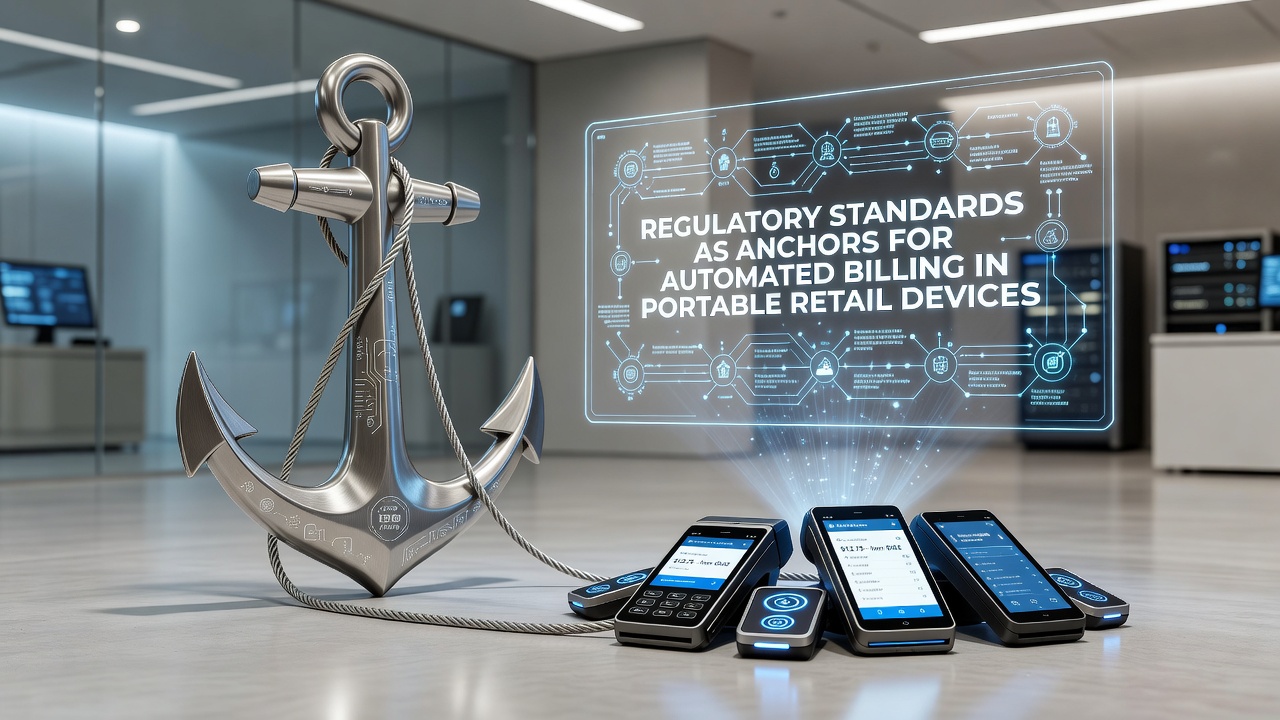
Regulatory Standards as Anchors for Automated Billing in Portable Retail Devices
Regulatory standards serve as foundational elements that shape automated billing processes within portable retail devices, where handheld terminals and mobile payment units handle transactions in dynamic environments. These frameworks establish requirements for data security, transaction integrity, and operational consistency across various jurisdictions. Observers note that portable devices often operate in settings ranging from pop-up markets to large-scale retail events, and standards help maintain uniformity in automated deduction sequences even when connectivity fluctuates.
Core Standards Governing Portable Billing Systems
The Payment Card Industry Data Security Standard, maintained by the PCI Security Standards Council, outlines specific controls that merchants must apply when portable devices process card data during automated billing cycles. This includes encryption protocols during transmission and storage limits on sensitive authentication data. Research from industry reports shows that compliance with these rules reduces unauthorized access risks in wireless environments, where devices connect intermittently to central processors. Meanwhile, the European Union's Payment Services Directive 2 sets authentication timelines that portable systems must follow for recurring charges, requiring strong customer authentication at defined intervals to prevent unauthorized automated deductions.
In Canada, guidelines from the Canadian Payments Association emphasize verification sequences that integrate with inventory synchronization tools, ensuring that billing events align with real-time stock updates on handheld units. Australian regulatory documents from the Australian Payments Network further specify data pathway protections that link portable terminals to banking ledgers, particularly during periods of elevated transaction volume. Those who've examined implementation patterns find that these layered requirements create consistent operational anchors, allowing automated billing functions to proceed without repeated manual interventions.
Application in Mobile and Wireless Retail Settings
Portable retail devices rely on automated billing mechanisms that trigger deductions based on pre-set parameters, yet regulatory standards dictate how these mechanisms interface with external networks. For instance, EMV chip specifications require dynamic authentication tokens on each transaction, which portable units must generate and validate even when operating offline for short durations. Data indicates that such measures become especially relevant in high-traffic seasons, where merchants process hundreds of transactions per hour through wireless channels. Standards also address encryption pathways that protect information traveling from handheld readers to financial institutions, mandating specific key management practices that prevent interception during peak commercial windows.
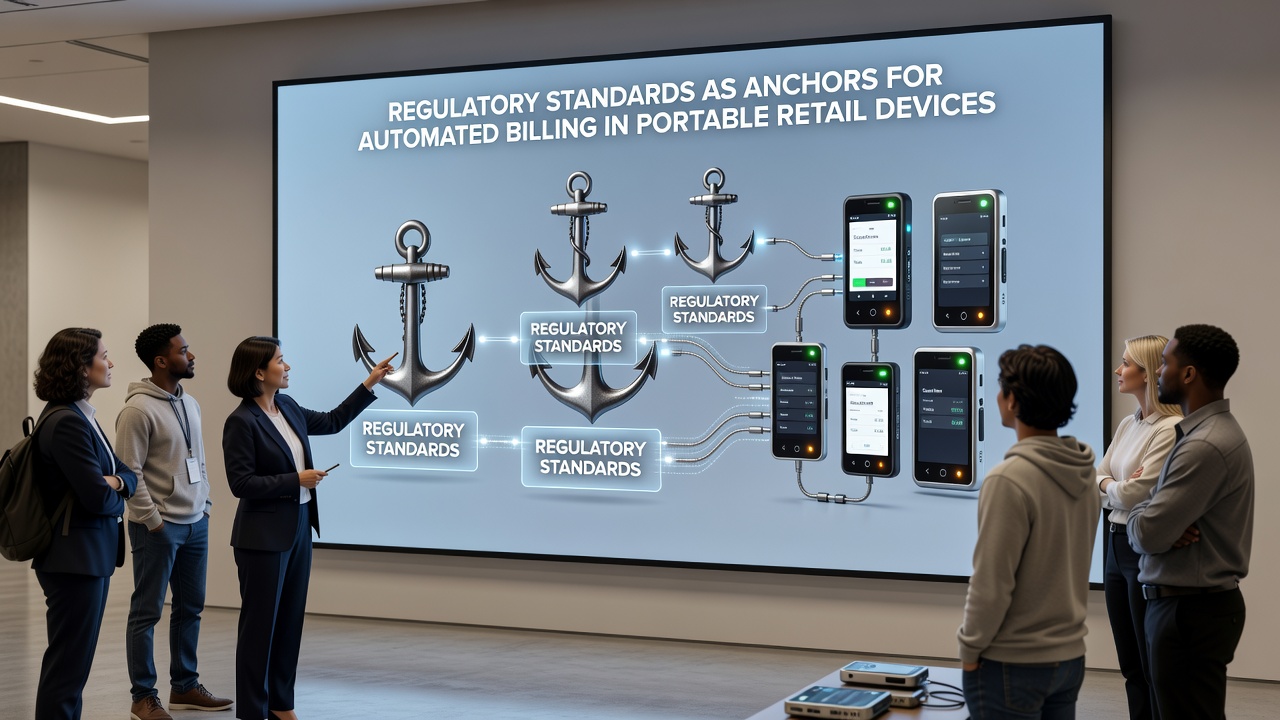
One study revealed that organizations adopting unified compliance approaches across multiple device fleets experience fewer interruptions in automated billing flows. Regulatory updates planned for August 2026 in several regions will introduce enhanced reporting intervals for transaction logs generated by portable systems, requiring merchants to retain detailed records of verification protocols and deduction timestamps. These forthcoming changes build on existing frameworks, such as those addressing multi-channel payment setups, and aim to align portable device operations with broader financial infrastructure requirements.
Integration Challenges and Compliance Mechanisms
Automated billing on portable devices encounters specific constraints when standards demand real-time checks against centralized databases. Researchers discovered that latency in wireless connections can affect authorization timelines, prompting the development of buffered processing methods that still satisfy regulatory thresholds for data accuracy. In practice, merchants coordinate gateway operations with compliance checks by embedding rule sets directly into device firmware, allowing the hardware to flag potential deviations before they reach banking partners.
Figures from payment network analyses reveal that portable units handling cycle automation in retail operations must log each verification step to demonstrate adherence to standards like those covering fraud controls in wireless sales channels. This logging supports audit processes and helps maintain trust in automated deduction systems during crowded market periods. What's interesting is how regional variations in implementation create opportunities for device manufacturers to design modular software layers that adapt to different regulatory environments without requiring full hardware replacements.
Future Outlook and Ongoing Adjustments
Standards bodies continue to refine rules around information exchange between portable payment units and financial institutions, particularly as device capabilities expand to include near-field communication and cloud-based verification. Evidence suggests these refinements will influence how inventory sync tools interact with billing engines on handheld terminals, reducing delays during peak retail transaction flows. Organizations that monitor these developments through official channels position themselves to implement required adjustments ahead of enforcement dates.
Conclusion
Regulatory standards function as structural anchors that guide the design and operation of automated billing features in portable retail devices. They establish measurable criteria for security, authentication, and record-keeping that apply across diverse retail contexts. As frameworks evolve through 2026 and beyond, portable systems will continue to incorporate updated requirements that support consistent transaction processing while meeting obligations set by multiple oversight entities.