Seamless Subscriptions: Integrating Recurring Billing into Mobile-First E-commerce Ecosystems
23 Apr 2026
Seamless Subscriptions: Integrating Recurring Billing into Mobile-First E-commerce Ecosystems
The Rise of Mobile-First Subscriptions
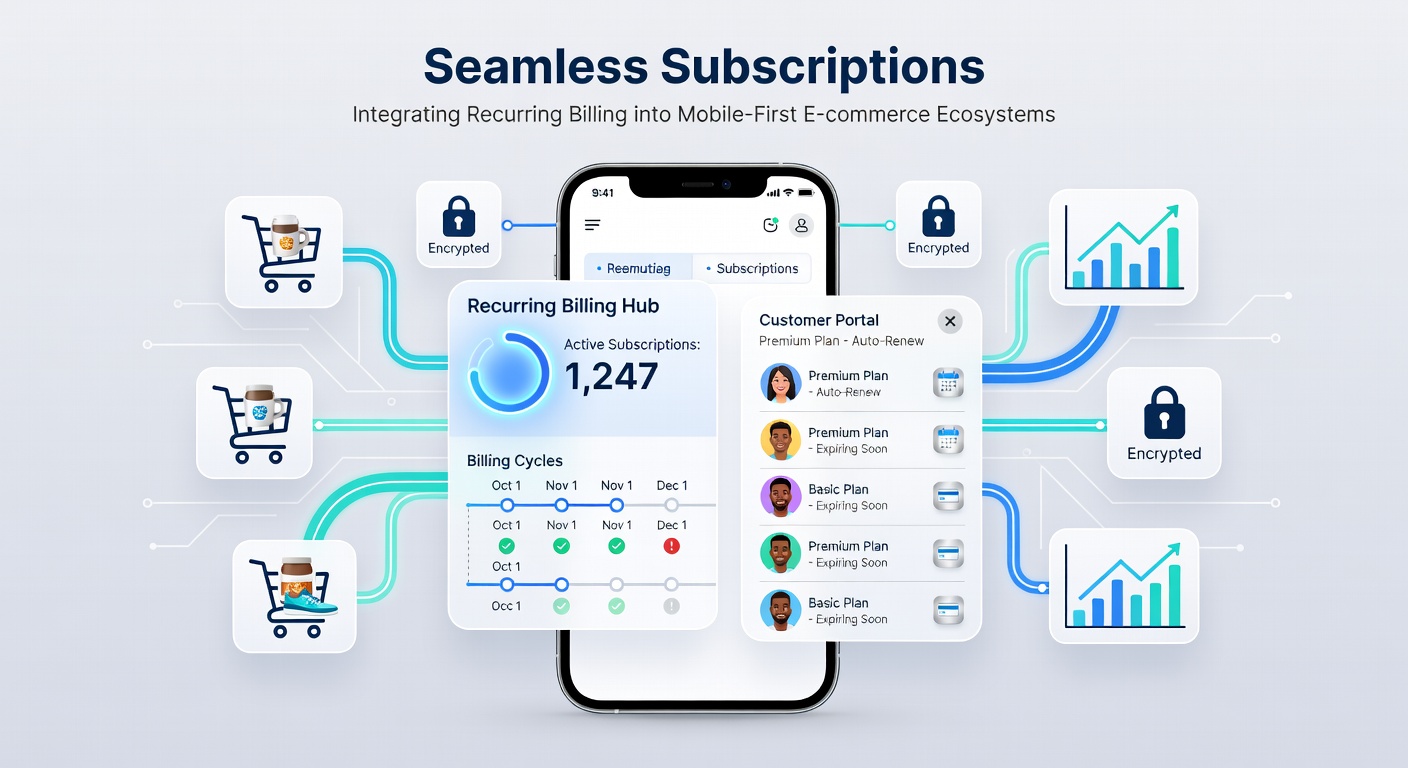
Mobile commerce has exploded in recent years, with global m-commerce sales hitting $2.1 trillion in 2023 according to Statista figures; now, as consumers demand instant access from their phones, businesses turn to seamless subscriptions to lock in loyalty and steady revenue streams. Recurring billing fits perfectly into this mobile-first world, where apps handle everything from browsing to buying without a single page refresh, and yet integrating it smoothly remains a puzzle many merchants wrestle with daily. Experts note that platforms like Shopify and BigCommerce have baked in subscription tools, but true seamlessness demands more—think tokenization, real-time authorization, and APIs that hum without friction.
What's interesting is how this shift mirrors broader trends; data from McKinsey reveals that subscription models now drive 15% of e-commerce revenue in categories like beauty and fitness, up from just 5% five years ago, while mobile users expect one-tap renewals that feel as natural as scrolling Instagram. And here's the thing: by April 2026, projections from Gartner suggest that 70% of subscription-based e-commerce will originate from mobile apps, fueled by 5G speeds and embedded finance features that make recurring payments invisible to the user.
Core Components of Seamless Recurring Billing
At its heart, seamless subscriptions rely on a stack of technologies working in tandem: payment gateways like Stripe or Adyen handle the token vaulting, where customer card details get swapped for secure tokens after the first purchase, ensuring PCI compliance without merchants ever touching sensitive data; meanwhile, webhooks ping servers instantly when payments succeed or fail, triggering inventory updates or personalized push notifications right in the app. Developers often start with APIs from providers such as Zuora or Chargebee, which abstract the complexity of dunning—those pesky retry logics for failed charges—into configurable rules that adapt to regional banking quirks.
But turns out, mobile-first demands extras like Apple Pay and Google Pay integration, where biometric auth seals the deal faster than typing a CVV; research from the Federal Trade Commission highlights how such methods reduce cart abandonment by 40%, since users stay buried in the app experience without redirecting to clunky web forms.
Benefits That Drive Adoption
Merchants gain predictable cash flow from these setups, with churn rates dropping to under 5% in well-implemented systems according to Subscription Insider reports, while customers enjoy the convenience of set-it-and-forget-it deliveries—think meal kits arriving weekly without reordering hassles; data indicates lifetime value jumps 2-3x for subscribers versus one-offs, a stat that has fitness apps like Peloton leaning hard into monthly tiers. Observers point out how personalization amps this up: algorithms analyze usage patterns to suggest pauses or upgrades, keeping engagement high even as economic pressures mount.
Now, scalability enters the picture; cloud-based billing engines process millions of transactions without breaking a sweat, and since mobile ecosystems prioritize speed, low-latency networks mean approvals come in under 200 milliseconds, a threshold Juniper Research pegs as crucial for conversion rates above 80%.
Step-by-Step Integration Guide
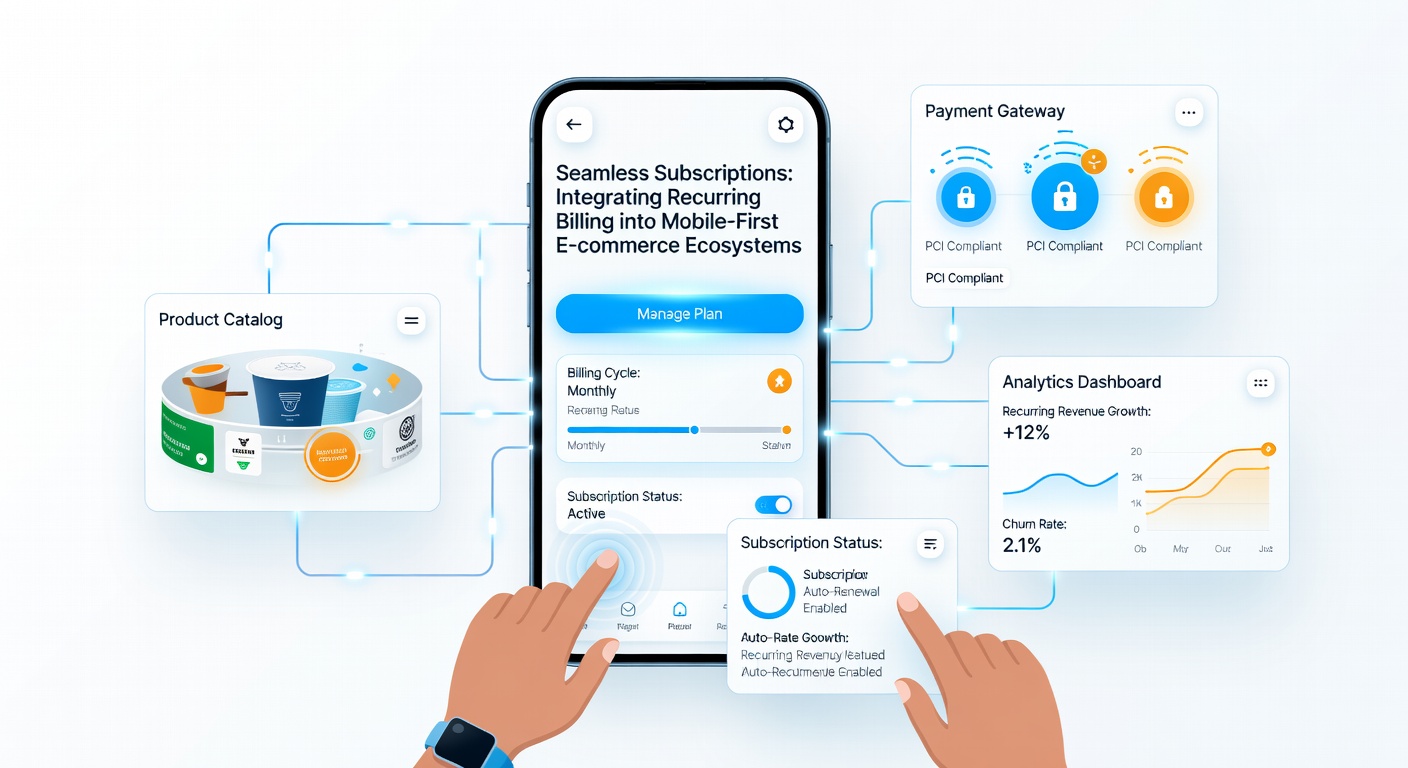
Those who've built these systems recommend starting with customer consent flows that comply with regulations like the EU's PSD2, capturing explicit agreement via checkboxes or voice prompts in apps; next comes selecting a gateway with strong mobile SDKs—Braintree's Drop-in UI, for instance, embeds checkout in seconds—followed by mapping subscription lifecycles in code, where events like upgrades trigger prorated charges seamlessly. Testing phases can't be skipped; emulators simulate network lags across iOS and Android, ensuring retries don't bombard users with alerts.
And don't overlook localization: in markets like Brazil or India, where wallets like Pix or UPI dominate, gateways must route recurring pulls through local rails, a detail that boosts approval rates by 25% per industry benchmarks from the Australian Competition and Consumer Commission analyses of cross-border e-commerce.
Real-World Case Studies
Take Glossier, the beauty brand whose app now handles 60% of its $100 million annual recurring revenue through Shopify's subscription API fused with Klaviyo for behavior-triggered billing; users customize shades and frequencies on the fly, with data showing 92% retention after six months. Or consider HelloFresh in Europe, where native iOS integrations cut setup time to under 30 seconds, leading to a 35% uplift in mobile sign-ups as reported in their Q1 2025 earnings—numbers that underscore how seamlessness turns casual browsers into lifelong subscribers.
There's this case from Canada too, where Thrive Market embedded recurring billing via Recharge apps, navigating bilingual compliance while achieving 4x faster checkouts on mobile; researchers who've studied these implementations note that A/B tests with frictionless upsells—like adding snacks to grocery subs—pushed average order value up 18% without alienating users.
Navigating Common Challenges
Yet hurdles persist: churn from forgotten subs hits 20-30% globally, but smart tools like predictive dunning—using ML to forecast failures based on past patterns—slash that by half, as Forrester data reveals; regional regs add layers, with California's AB 3331 mandating easy cancellations that apps now build in via one-tap portals. Interoperability trips up some too, especially when switching gateways mid-growth, but standardized protocols like the EMVCo specs smooth those transitions, letting merchants migrate without downtime.
So, while initial setup costs $50,000-$200,000 for mid-sized ops, ROI materializes in 6-9 months through reduced support tickets—down 40% in optimized setups—and higher LTVs that make the effort worthwhile.
Future Trends Shaping the Landscape
Looking ahead, embedded wallets will dominate by April 2026, with Apple's Passkey tech enabling passwordless recurring auth across devices; blockchain experiments, like those from Solana Pay, promise instant settlements for global subs, cutting fees to pennies while research from Deloitte forecasts a $1.5 trillion subscription economy fueled by AI-driven personalization. 5G and edge computing will make real-time adjustments—like dynamic pricing based on inventory—standard, and cross-platform consistency via PWAs ensures Android users match iOS polish.
It's noteworthy that sustainability angles are emerging too; apps now track carbon footprints of deliveries, offering green discounts to eco-conscious subscribers, a trend Bain & Company links to 15% higher loyalty in Gen Z cohorts.
Conclusion
Seamless subscriptions have transformed mobile-first e-commerce from transactional pit stops into enduring revenue engines, blending tech stacks that prioritize speed, security, and user delight; as integrations mature, merchants who master token flows, compliant consents, and adaptive billing stand to capture the lion's share of a market projected to swell past $900 billion by 2028. Data underscores the payoff—higher retention, amplified LTVs, and frictionless experiences that keep phones buzzing with value—and those paying attention know the ball's squarely in the court of innovators ready to weave recurring billing into every swipe and tap.