The Interplay Between Online Gateway Security and Merchant Service Adaptations for Cross Border Credit Transactions
Written by Rosa Hansen · Aug 4, 2026
The Interplay Between Online Gateway Security and Merchant Service Adaptations for Cross Border Credit Transactions
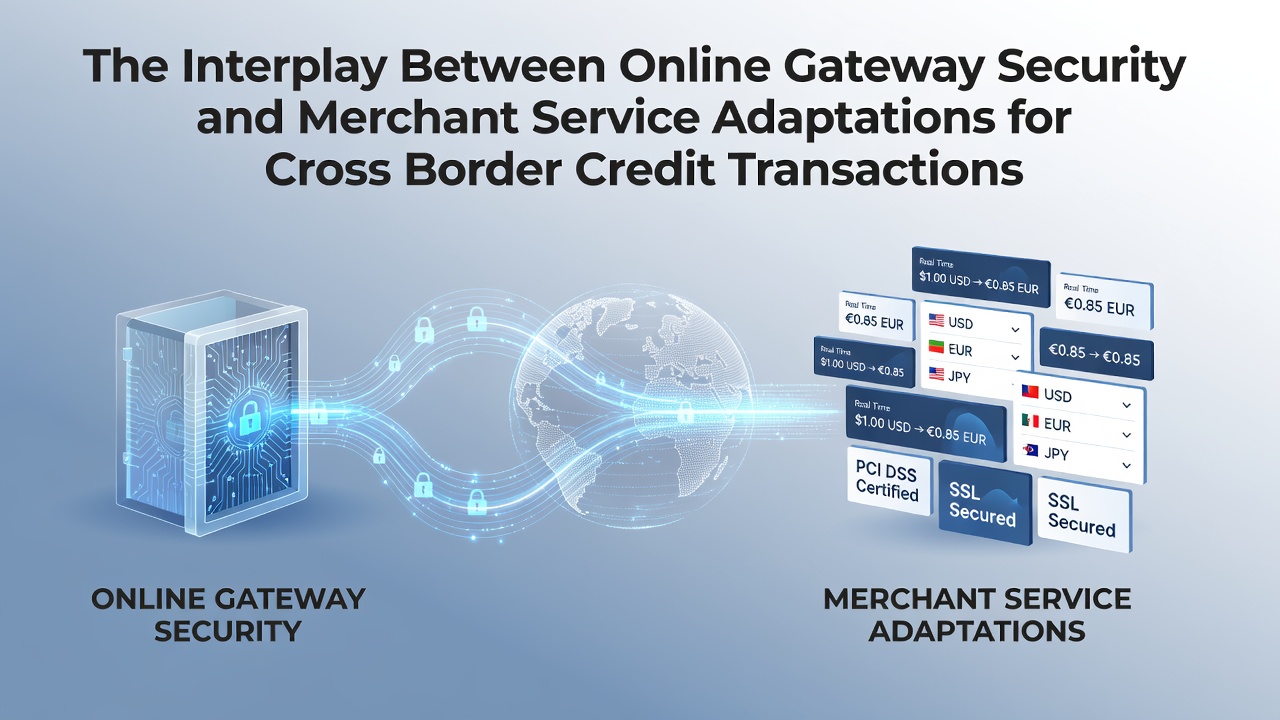
Online payment gateways serve as the technical bridges that authorize and process credit card payments across national borders, where security protocols must account for varying regulatory frameworks and data transmission risks. Merchant services adapt by integrating layered authentication methods and currency conversion tools that align with these protocols, allowing transactions to clear while meeting compliance benchmarks set by international card networks. Research from the European Central Bank indicates that cross-border volumes grew steadily through 2025, with security enhancements reducing unauthorized access attempts by measurable margins in monitored systems.
Gateways employ encryption standards such as TLS 1.3 alongside tokenization to protect card data during transit between merchant platforms and acquiring banks, and these measures directly shape how services configure their risk engines for different jurisdictions. When a transaction originates in one country and settles in another, the gateway evaluates factors including IP geolocation, device fingerprinting, and historical patterns before forwarding the request, prompting merchants to adjust their service integrations accordingly. Observers note that such evaluations often occur in milliseconds, yet they trigger adaptive responses like dynamic 3D Secure challenges that merchants incorporate into checkout flows to maintain approval rates.
Security Frameworks Guiding Cross-Border Processing
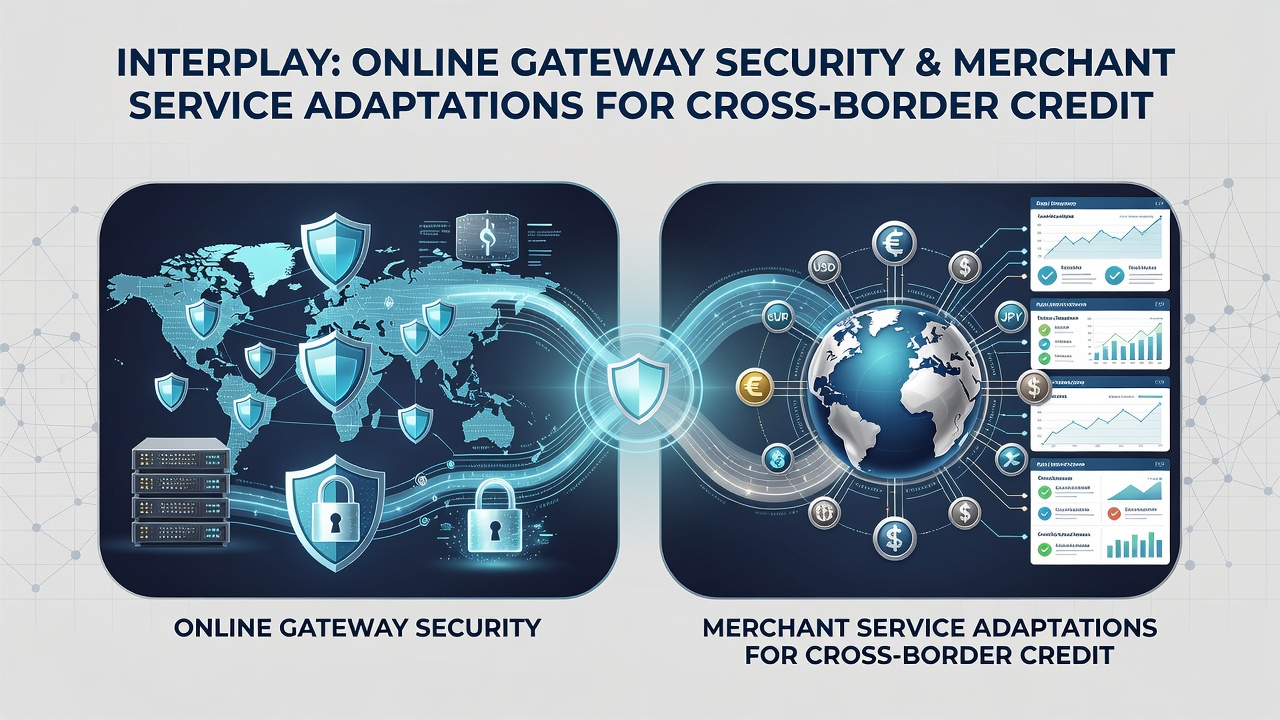
Payment gateways incorporate fraud detection algorithms that analyze velocity checks and behavioral biometrics, while merchant services respond by updating their account configurations to support region-specific verification sequences. Data shows that these algorithms flag a higher percentage of cross-border attempts compared with domestic ones, leading services to deploy additional monitoring dashboards that merchants use for real-time adjustments. In August 2026, updates to global standards prompted several gateway providers to expand support for EMV 3-D Secure protocols, which merchants then integrated to handle elevated authentication requirements without disrupting conversion metrics.
Token vaults maintained by gateways replace sensitive card details with unique identifiers that travel across borders under strict access controls, and merchant platforms adapt by mapping these tokens to inventory and order management systems. This mapping reduces exposure during settlement, yet it requires services to maintain compatibility with multiple acquiring banks that operate under distinct data residency rules. Studies from academic research groups have documented how token rotation schedules influence the frequency of merchant-side software updates, particularly when handling high-volume periods in retail cycles.
Merchant Service Adjustments in Response to Gateway Protocols
Merchants configure their services to accept multiple currencies and apply dynamic exchange rates that gateways validate against real-time market feeds, ensuring that authorization requests carry accurate amounts before security filters apply. When gateways enforce stricter velocity limits on certain corridors, services respond by offering installment options or deferred settlement features that distribute risk across smaller increments. Those who have examined transaction logs find that these adaptations correlate with improved acceptance rates in markets where regulatory scrutiny on foreign card usage remains high.
Compliance modules within merchant services now routinely include automated checks against sanctions lists and anti-money laundering databases that gateways reference during pre-authorization, creating a shared verification layer that minimizes duplicate processing overhead. The Monetary Authority of Singapore published figures in mid-2026 highlighting how coordinated updates between gateways and services lowered processing failures in Asia-Pacific routes. Merchants leverage API endpoints provided by gateways to pull compliance status flags directly into their dashboards, allowing immediate rerouting of flagged orders to manual review queues.
Operational Intersections and Data Flow Management
Data pathways between gateways and merchant back-end systems carry authorization responses that include risk scores, and services adapt by feeding these scores into inventory allocation tools to prevent overselling on high-risk orders. When cross-border volumes spike, gateways throttle certain connection types to preserve bandwidth for verified traffic, prompting merchants to schedule batch uploads during off-peak windows. This coordination appears in documented case studies where synchronized timing reduced settlement delays across multiple acquiring partners.
Chargeback management tools integrated into merchant services receive dispute notifications routed through gateway channels, with security metadata attached that helps classify the nature of each claim. Merchants then adjust their service parameters to apply additional address verification steps on subsequent transactions from similar regions. Evidence suggests these feedback loops strengthen overall system resilience without requiring separate infrastructure investments from either party.
Conclusion
The documented relationship between gateway security layers and merchant service modifications continues to evolve through standardized protocols and shared data signals that support secure cross-border credit flows. Regulatory updates and technical enhancements in 2026 have reinforced these connections, producing measurable improvements in authorization consistency across monitored corridors.