Tokenization Pathways Connecting Mobile Device Approvals to Supplier Restocking Alerts in Seasonal Retail Surges
Written by Rosa Hansen · Aug 23, 2026
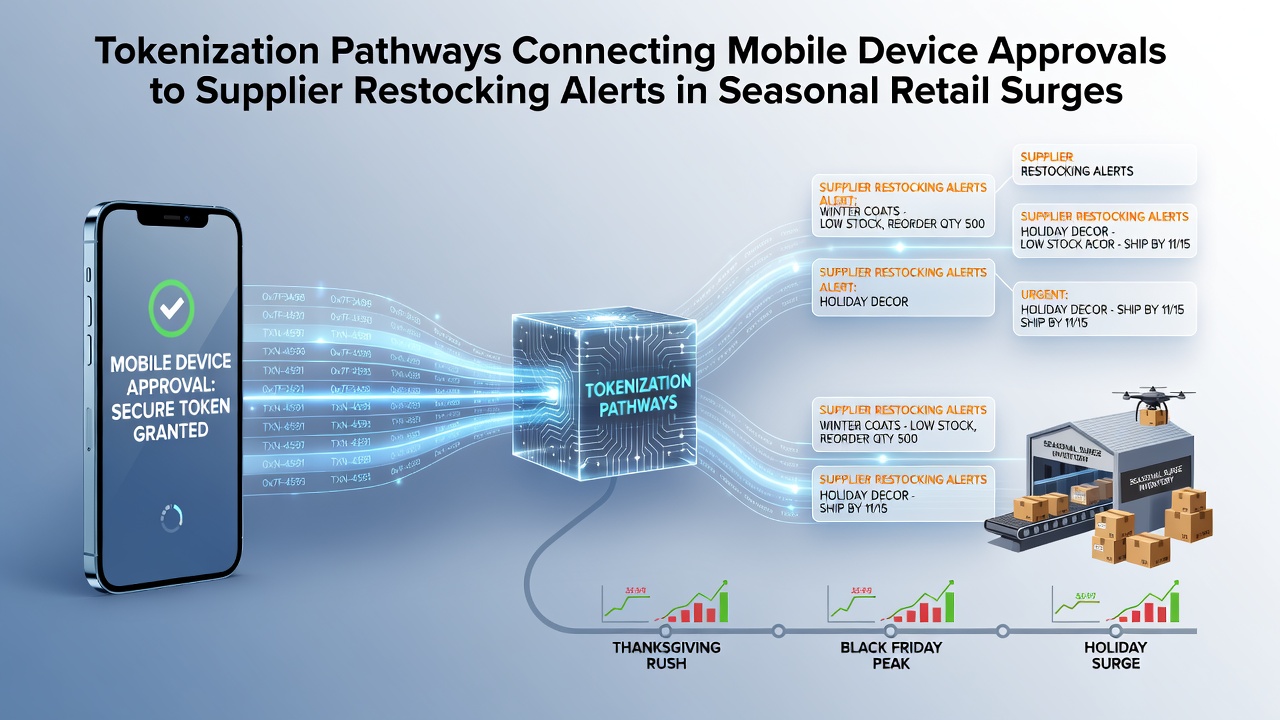
Tokenization Pathways Connecting Mobile Device Approvals to Supplier Restocking Alerts in Seasonal Retail Surges
Tokenization replaces sensitive card data with unique tokens during mobile transactions, and this process creates direct pathways from device approvals to supplier alerts when seasonal demand spikes. Retail systems use these tokens to validate purchases on handheld units while simultaneously triggering inventory checks that notify suppliers of restocking needs. In August 2026 back-to-school periods, data flows through these pathways accelerated as stores handled higher volumes of mobile payments for clothing, electronics, and supplies.How Token Generation Links Device Approvals to Inventory Signals
Mobile devices generate tokens at the point of sale through secure elements embedded in hardware or software wallets, and these tokens carry approval status without exposing full account details. Once a transaction receives authorization, the system parses the token metadata to extract product identifiers and quantities, then routes that information to inventory management platforms. Suppliers receive automated alerts when stock thresholds drop below preset levels, and the connection relies on standardized APIs that map tokenized approval events to restocking triggers.
Payment processors embed additional fields in token responses during peak seasons, allowing retail software to distinguish between routine sales and surge-driven purchases. This distinction helps suppliers prioritize shipments for high-demand items such as notebooks or seasonal apparel. Research from the National Institute of Standards and Technology outlines tokenization standards that support these mappings, ensuring consistent data exchange across mobile and backend systems.
Data Pathways During High-Volume Retail Cycles
Seasonal surges create dense transaction streams where mobile approvals must sync rapidly with warehouse databases. Tokenized data travels from the device through the merchant gateway to a central processor, and parallel channels push quantity updates to supplier portals. In August 2026, observers tracking retail networks noted that token-based approvals reduced reconciliation delays because each token carried embedded product codes that matched directly to inventory SKUs.
Retailers configure rule sets so that approval of a mobile payment above a certain volume automatically queues a supplier notification. The process avoids manual intervention by using event-driven scripts that listen for token confirmation signals. Studies from the Australian Retailers Association show that such automated links cut restocking response times by integrating payment events with supply chain triggers during holiday buildup periods.
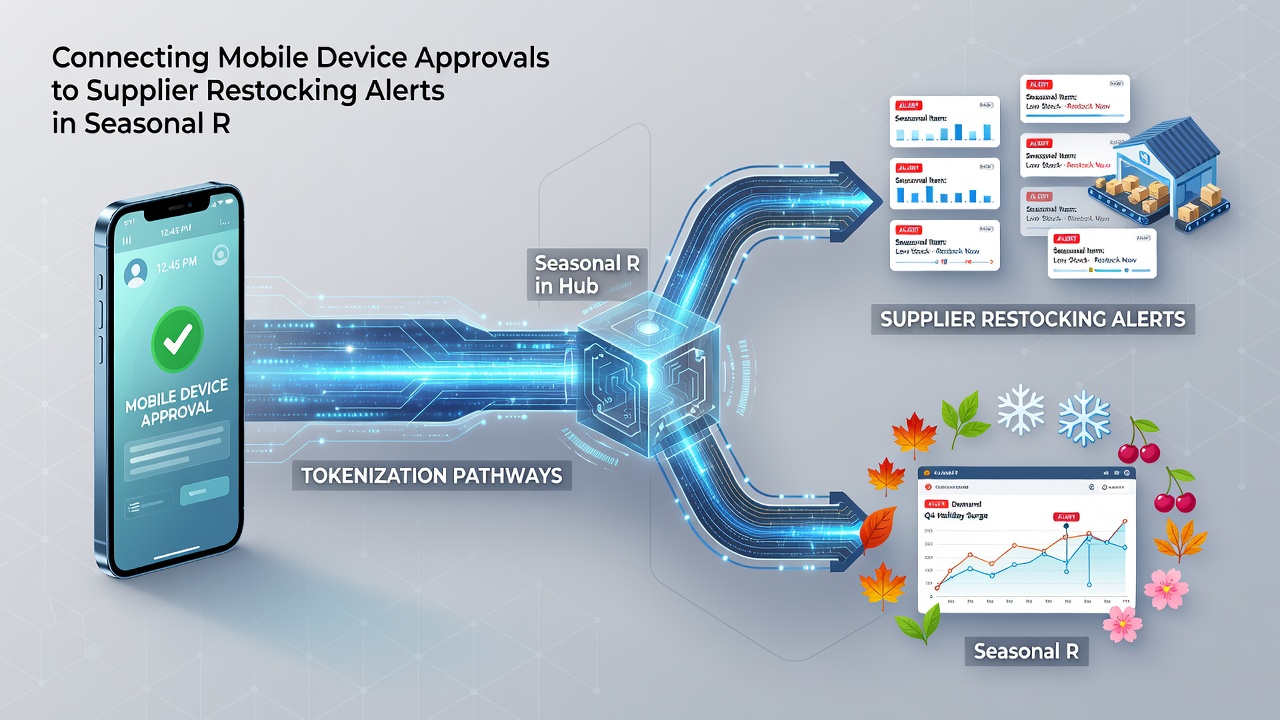
Security and Compliance Considerations in Token Flows
Tokenization limits exposure of payment credentials while preserving the ability to trace each approval back to specific inventory movements. Merchants apply scope reduction techniques so that only necessary transaction details reach supplier systems, and tokens expire after use to prevent replay attacks. Regulatory guidance from the European Central Bank emphasizes that tokenized pathways must maintain audit logs linking device approvals to downstream restocking actions for compliance verification.
During August 2026 seasonal peaks, networks handling increased mobile volumes relied on these secure token channels to maintain both payment integrity and supply accuracy. Encryption at the token generation stage combines with access controls at the inventory interface, creating layered protection without interrupting the alert sequence. Industry reports indicate that properly configured token pathways handle simultaneous payment and restocking signals without introducing latency that could delay supplier responses.
Integration Patterns Observed in Retail Operations
Point-of-sale applications on mobile devices embed token metadata with line-item details, allowing backend systems to update stock counts in real time. When an approval completes, the token payload feeds into an event bus that notifies both accounting ledgers and supplier dashboards. Retail operations that implemented these patterns during 2026 seasonal windows reported fewer stockouts because alerts reached suppliers before physical inventory counts dropped critically low.
Suppliers configure inbound filters to accept only validated token events, filtering out test transactions or incomplete approvals. This selective listening prevents alert fatigue while ensuring genuine demand signals trigger restocking. Data exchanges follow protocols established by payment networks that standardize how tokenized approvals translate into inventory actions across different retail formats.
Conclusion
Tokenization pathways establish reliable connections between mobile device approvals and supplier restocking alerts by embedding product and quantity data within secure tokens. Seasonal retail surges, such as those recorded in August 2026, test these pathways under high transaction loads, yet the structure supports simultaneous payment validation and inventory signaling. Retail systems that maintain these links through standardized APIs and event triggers continue to synchronize device-level approvals with upstream supply responses across multiple sales cycles.