4 Jun 2026
Tracing Data Pathways From Portable Devices to Banking Ledgers During High-Volume Retail Cycles
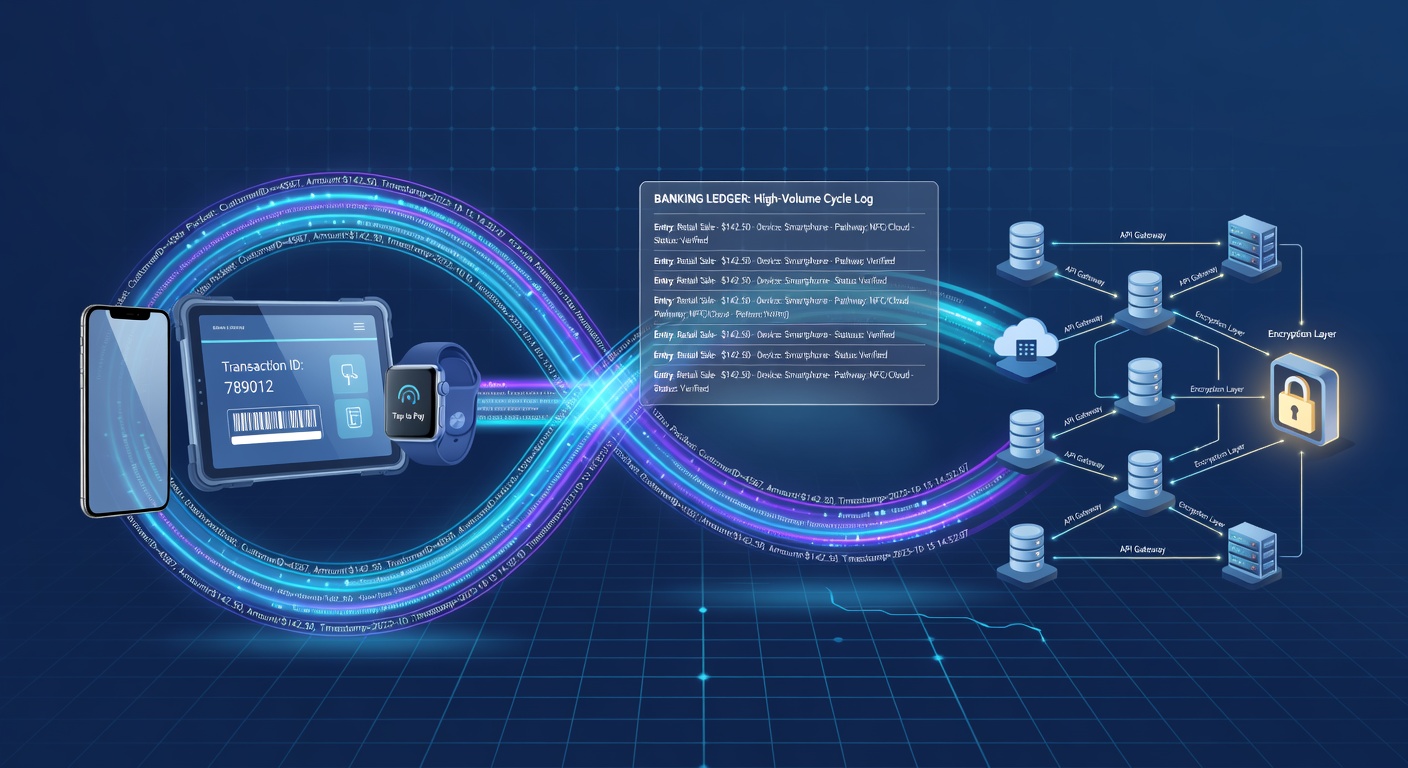
Portable devices capture payment details at the point of sale through near-field communication chips and secure element hardware, then route encrypted tokens across multiple network hops before those records reach final banking ledgers, and this sequence accelerates sharply when retail volumes spike during seasonal peaks.
Device-Level Data Capture in Retail Environments
Merchants equip handheld terminals and customer smartphones with EMV chip readers plus contactless antennas that collect cardholder data in milliseconds, after which the device applies point-to-point encryption before handing the packet to the local wireless router. Observers note that during June 2026 projections for summer clearance events, mobile transaction counts at large chains climbed above 40 percent of total volume according to Federal Reserve payment studies, forcing these initial capture layers to handle concurrent sessions without dropping packets.
Network Transmission and Routing Layers
Once encrypted, the authorization request travels from store Wi-Fi or cellular towers into acquirer switches, where routing tables direct traffic toward payment card networks based on BIN ranges, and these switches add timestamp and merchant identifiers while preserving the original token. Data indicates that high-volume windows create queue depths exceeding 50,000 messages per second at major switches, yet latency remains under two seconds because operators deploy redundant fiber paths and load balancers that automatically reroute around saturated nodes.
Gateway Processing and Risk Scoring
Payment gateways receive the tokenized request, query issuer servers for available funds, apply fraud scoring models that reference historical velocity and geolocation patterns, then return an approval or decline code that travels back along the same pathway to update the device display. Researchers have mapped these gateway decision trees across multiple regions, showing that European Central Bank oversight requires real-time logging of every decision point, which creates audit trails later reconciled against ledger entries. What's interesting is how portable device GPS coordinates get appended to each request, allowing scoring engines to flag mismatches between billing address and physical location during crowded sales events.
Clearing, Settlement, and Ledger Updates
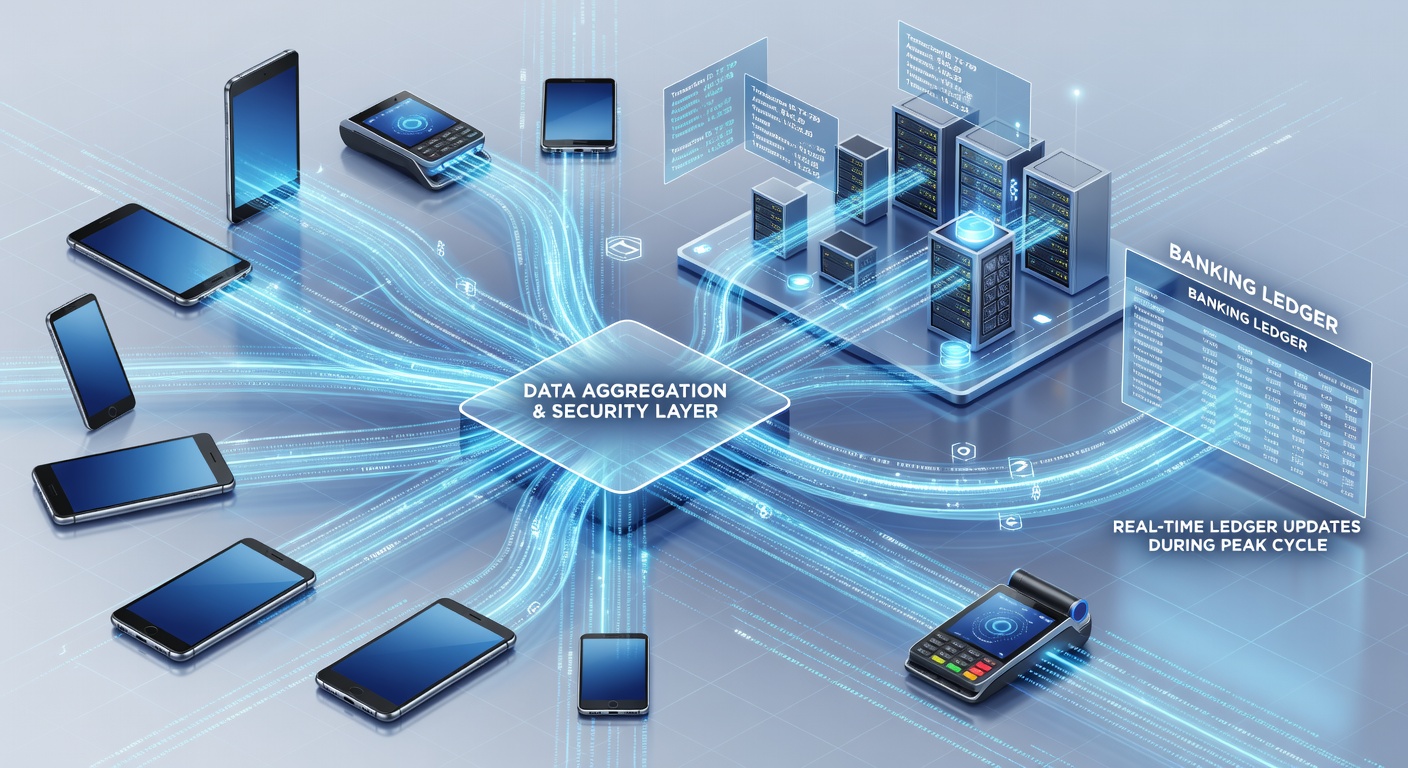
Approved transactions batch overnight and move into clearing houses that exchange net obligations between acquiring and issuing banks, after which final amounts post to customer and merchant ledgers held at core banking systems. Studies from the Bank of Canada reveal that peak retail cycles in 2025 generated settlement files exceeding 12 million line items per day, with reconciliation engines comparing device-generated sequence numbers against ledger postings to catch any dropped records. And because portable devices often operate on battery-backed memory, any interruption mid-transmission leaves a recoverable journal that settlement teams use to reconstruct the exact path taken.
Compliance Logging Across the Entire Chain
Every hop records encrypted logs that regulators can request, and organizations maintain separate compliance databases that mirror the live data flows without exposing full card numbers. Australian Securities and Investments Commission guidelines require retention of these logs for seven years, creating searchable archives that link a specific device's MAC address to the final ledger entry. Those who've studied this process know that tokenization replaces primary account numbers at the device itself, so downstream systems never see raw card data yet still maintain full traceability through unique transaction identifiers.
Conclusion
The complete pathway from portable device to banking ledger therefore consists of layered encryption, real-time routing decisions, fraud checks, and multi-stage reconciliation that scales during high-volume retail cycles, and mapping these routes allows operators to identify bottlenecks before they affect settlement accuracy.