19 May 2026
Uncovering Synergies in Transaction Safety and Recurring Charge Management for Virtual Shops
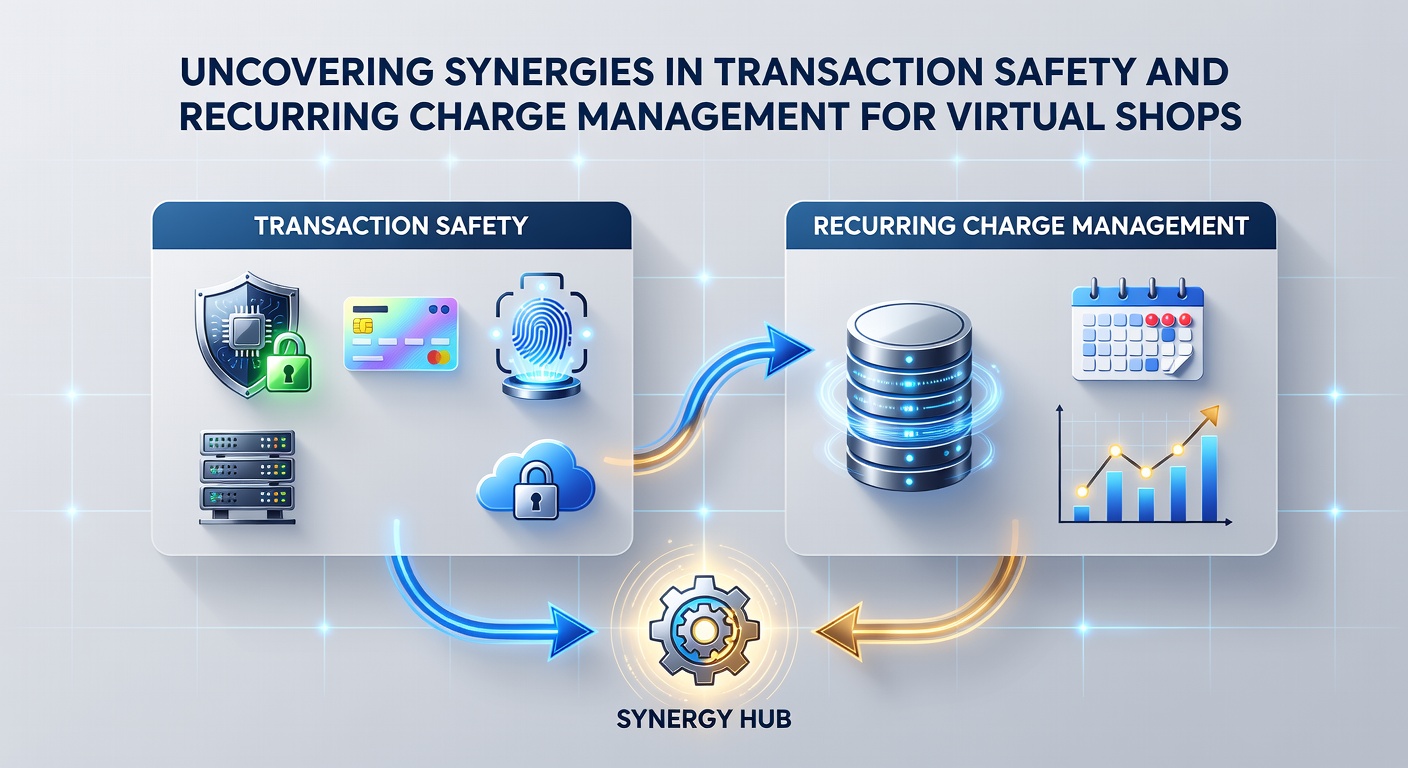
Virtual shops have expanded rapidly in recent years, and the combination of transaction safety protocols with recurring charge systems has created operational efficiencies that many merchants now track closely. Data from industry analyses shows that platforms handling subscription-based sales experience fewer disruptions when security layers align directly with billing schedules, since real-time verification can flag anomalies before they affect customer accounts. This alignment matters because virtual environments process continuous payment streams rather than one-time purchases, and observers note that coordinated approaches reduce both false declines and unauthorized attempts.
Core Components of Integrated Systems
Transaction safety in recurring models relies on authentication methods that verify cardholder details at multiple points in the billing cycle, while recurring charge management involves automated scheduling, retry logic, and customer notification sequences. Researchers have documented how these elements overlap when merchants feed authorization data into predictive models that assess risk for future invoices. One study revealed that shops using shared databases for both functions saw measurable drops in chargeback rates during high-volume periods, since patterns from prior transactions informed decisions on new charges.
Merchants often implement tokenization to store payment credentials securely, and this practice supports recurring operations by allowing systems to process updates without exposing sensitive information repeatedly. According to reports from the Federal Trade Commission, compliance with disclosure rules becomes more straightforward when safety checks occur within the same workflow as billing updates. The result is a unified process where customer consent records and fraud indicators remain accessible to authorized personnel across departments.
Technological Overlaps in Practice
Many virtual shop platforms now deploy application programming interfaces that connect fraud detection engines directly to billing software, enabling instant adjustments when risk scores rise. This setup allows systems to pause a scheduled charge, request additional verification, or reroute the transaction through alternative channels while maintaining the subscription status for the buyer. Figures from payment processors indicate that such linkages have grown more common since 2023, as shops seek to handle increasing volumes without proportional increases in manual reviews.
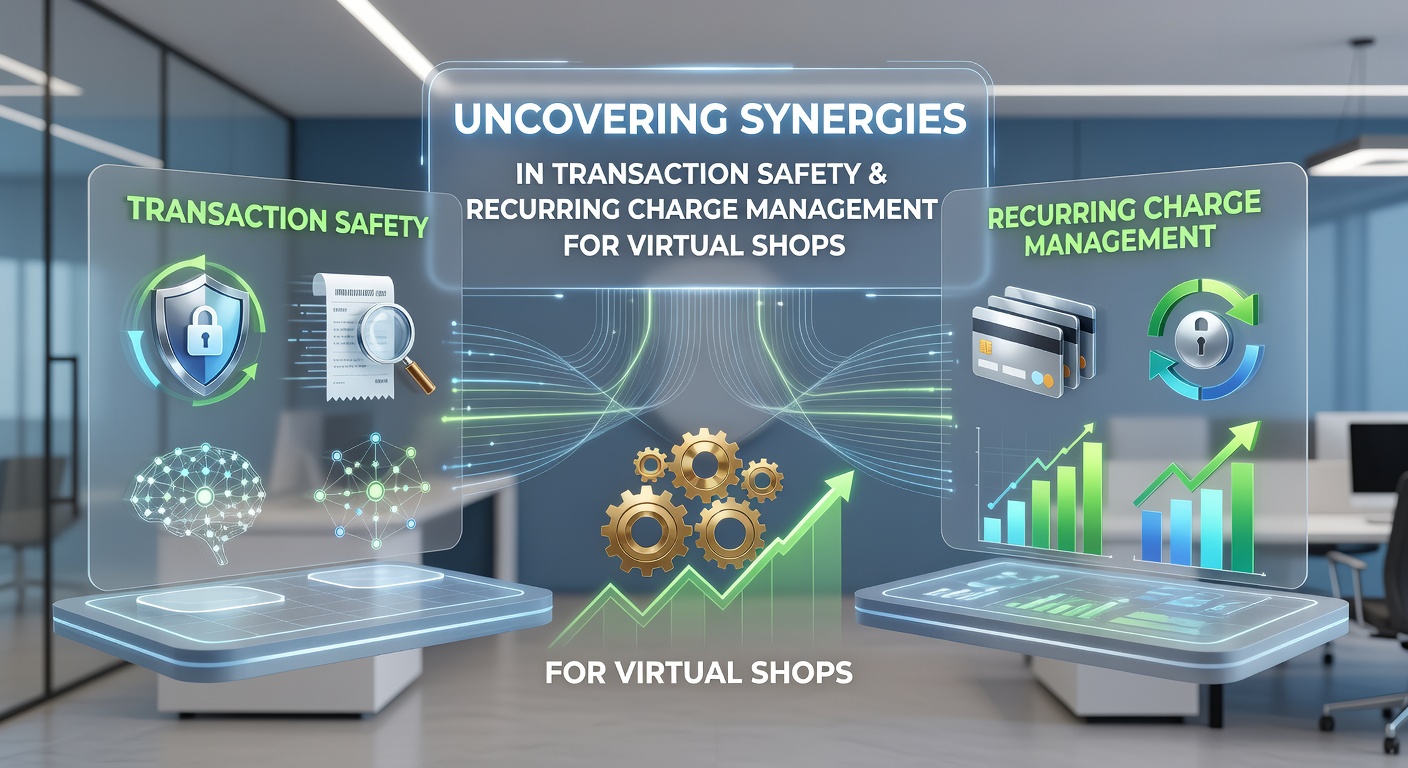
Artificial intelligence tools contribute here by analyzing historical billing data alongside real-time transaction signals, and experts observe that models trained on both datasets perform better at identifying subtle shifts in customer behavior. For instance, a sudden change in device fingerprint during a renewal period might trigger heightened scrutiny without halting the entire service. Those who have implemented these integrations report smoother operations during peak renewal windows, when thousands of charges process simultaneously.
Regulatory Developments and May 2026 Outlook
Global standards continue to evolve, and upcoming changes scheduled for May 2026 from bodies such as the European Commission on digital finance will emphasize stronger data sharing between security and billing functions. These updates build on existing frameworks like strong customer authentication, requiring that recurring payment initiators demonstrate ongoing risk monitoring rather than isolated checks at signup. Virtual shops operating across borders have begun preparing by mapping their current workflows against the anticipated requirements, since non-compliance could limit access to certain payment networks.
Industry groups have published guidance documents that highlight case examples from merchants who synchronized their systems ahead of similar deadlines. One documented instance involved a digital goods retailer that reduced disputed recurring charges by aligning its fraud scoring with invoice generation timestamps. Such examples demonstrate how preparation yields operational continuity when new rules take effect.
Operational Benefits Observed Across Markets
Shops that treat transaction safety and recurring management as interconnected functions frequently achieve lower operational costs, because duplicated data entry and separate audit trails become unnecessary. Research indicates that unified dashboards help teams identify correlations between security events and billing outcomes more quickly, leading to faster resolution of issues. In regions like Australia and Canada, payment service providers have released tools specifically designed to support this type of integration for subscription-heavy businesses.
Customer retention also benefits when safety measures operate transparently within recurring processes, since buyers receive consistent experiences without unexpected interruptions. Data shows that clear communication about verification steps during renewals correlates with higher completion rates for scheduled payments. Virtual shops that prioritize these connections position themselves to handle growth without scaling support teams proportionally.
Conclusion
The synergies between transaction safety protocols and recurring charge management continue to shape how virtual shops structure their payment operations. As platforms refine these connections through shared data flows and coordinated technologies, merchants gain clearer visibility into both risk and revenue streams. With regulatory shifts approaching in May 2026, the emphasis on integrated approaches is expected to intensify, encouraging further alignment across systems that previously operated in isolation.