31 May 2026
Unraveling Verification Protocols That Shape Automated Deduction Processes in Portable Sales Environments

Portable sales environments rely on handheld devices and mobile terminals to complete transactions in locations ranging from pop-up markets to delivery routes, where verification protocols establish the security layers that govern automated deduction processes. These protocols confirm identities, validate payment instruments, and authorize fund transfers without requiring constant manual intervention from operators. Data from industry reports indicates that verification steps occur in milliseconds yet determine whether an automated deduction succeeds or triggers a decline notification.
Core Elements of Verification in Mobile Point-of-Sale Systems
Verification protocols in portable setups combine multiple authentication factors, including device-bound credentials, card tokenization, and real-time risk scoring engines. Tokenization replaces sensitive card details with unique identifiers that merchants store locally while the actual account data remains isolated on secure servers maintained by payment processors. This separation reduces exposure during automated deduction cycles that repeat across multiple sales events in a single shift. Observers note that portable terminals often incorporate biometric checks such as fingerprint or facial recognition to link the operator to each transaction batch before deductions proceed.
Standards organizations like the PCI Security Standards Council publish guidelines that portable device manufacturers follow when embedding these verification layers. Compliance requires regular firmware updates that recalibrate risk thresholds based on transaction velocity and geographic patterns observed in field operations.
Automated Deduction Workflows and Protocol Interactions
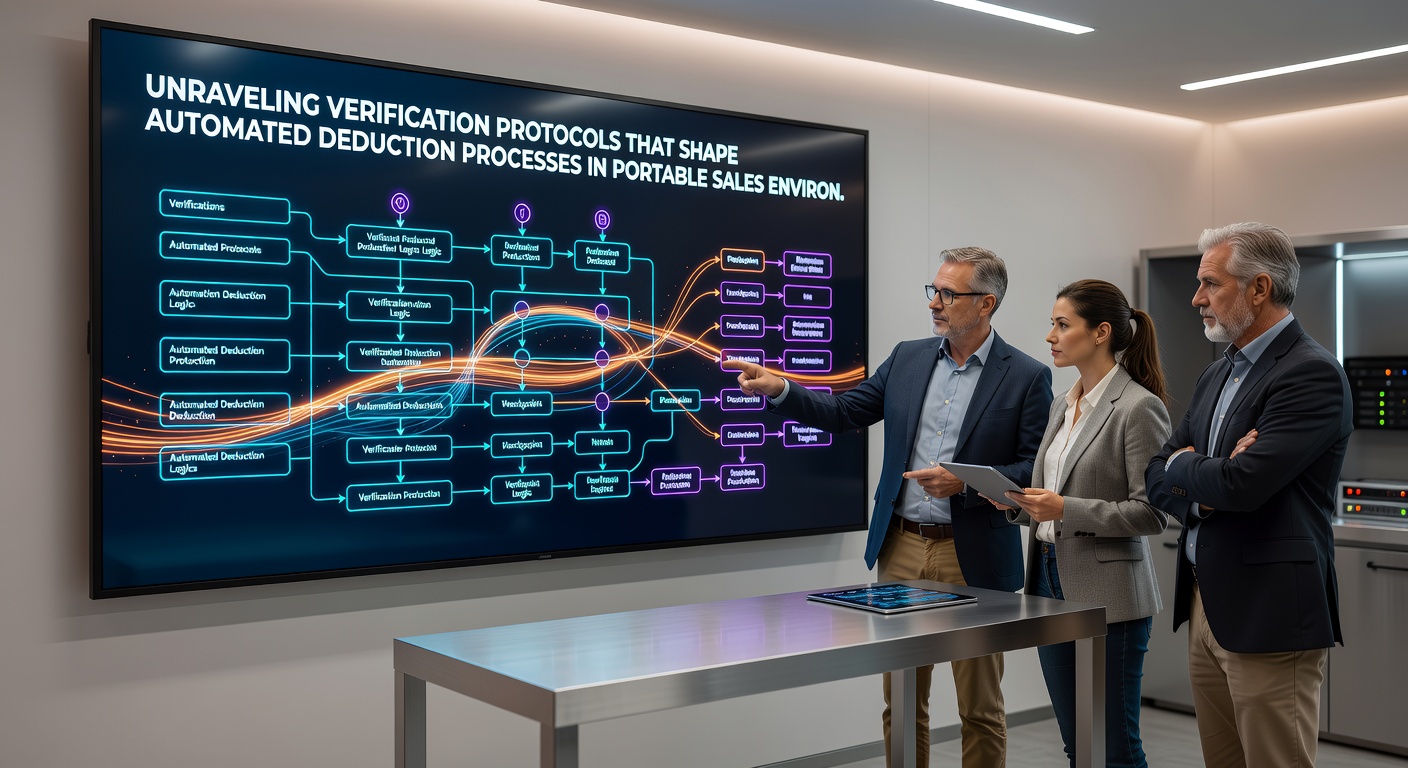
Automated deduction processes trigger once verification clears the initial authorization request. The protocol stack evaluates card-present signals from contactless interfaces, matches them against stored tokens, and applies velocity checks that flag unusual patterns within short time windows. When all criteria align, the system initiates the deduction without further input, logging the event for later reconciliation. Researchers have documented how these workflows adapt in environments with intermittent connectivity, where protocols cache verification results temporarily and reconcile them upon network restoration.
Integration between verification protocols and deduction engines occurs through APIs that transmit encrypted payloads between the portable terminal and backend processors. Figures reveal that successful deductions in portable sales average completion times under three seconds when protocols operate without interruption, whereas mismatches in token validation extend processing by several additional seconds.
Regional Regulatory Influences on Protocol Design
Regulatory frameworks shape verification requirements differently across markets. The European Central Bank outlines expectations for strong customer authentication in mobile payment scenarios, which influences how portable systems implement multi-factor checks before automated deductions finalize. In Canada, guidance from the Office of the Superintendent of Financial Institutions emphasizes data localization rules that affect where verification databases reside relative to deduction processing centers. Australian regulators have issued directives on digital identity verification that portable sales operators must satisfy when handling recurring or scheduled deductions from customer accounts.
These regional differences require device software to support configurable protocol modules that activate specific verification sequences based on transaction location. Merchants operating across borders maintain separate configuration profiles that align with each jurisdiction's mandates while preserving consistent deduction outcomes.
Technical Challenges in Maintaining Protocol Integrity
Portable environments introduce variables such as signal interference, battery fluctuations, and physical device handling that can disrupt verification sequences. Protocols address these through fallback mechanisms that switch to offline verification modes using pre-approved token lists, then queue deduction requests for batch processing once connectivity returns. Studies from academic institutions have examined error rates in such hybrid modes, showing that verification success depends on accurate timestamp synchronization between device clocks and central servers.
Software updates distributed over-the-air recalibrate protocol parameters to counter emerging evasion techniques. Payment processors track anomaly reports from field devices and incorporate pattern data into updated risk models that refine future automated deduction decisions.
Developments Anticipated by May 2026
By May 2026, industry analysts project wider adoption of quantum-resistant encryption within verification protocols used for portable terminals. This shift addresses long-term security needs as automated deduction volumes continue to rise in mobile commerce channels. Device manufacturers plan firmware enhancements that embed these algorithms without increasing processing latency beyond current benchmarks. Pilot programs already underway test protocol compatibility with next-generation contactless standards that support richer metadata exchange during each verification step.
Conclusion
Verification protocols form the operational backbone that enables reliable automated deduction processes across portable sales environments. Their design integrates technical standards, regulatory requirements, and device-level adaptations that collectively determine transaction outcomes. Continued refinement of these protocols supports the expansion of mobile commerce while maintaining consistent security parameters across diverse operational settings.